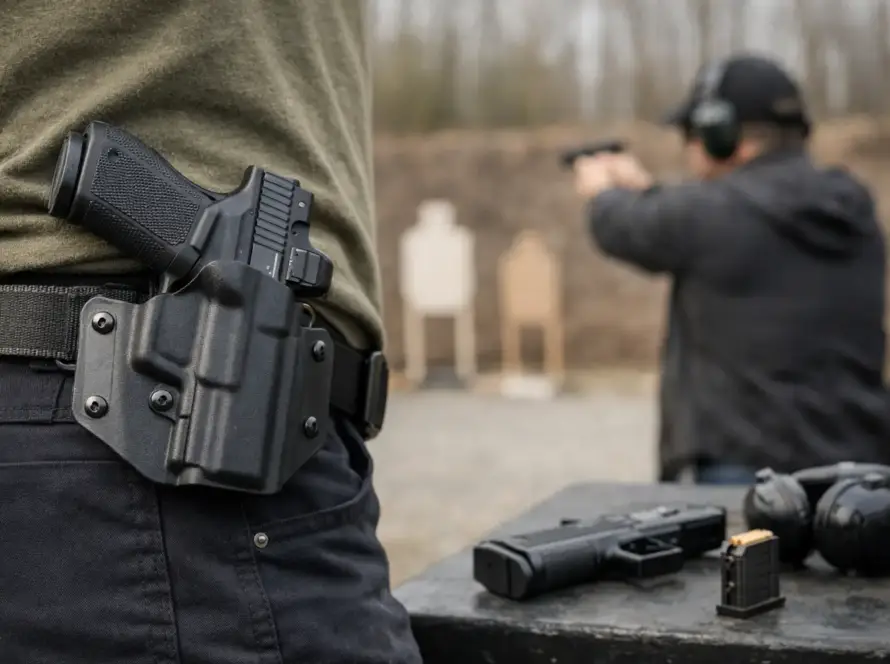
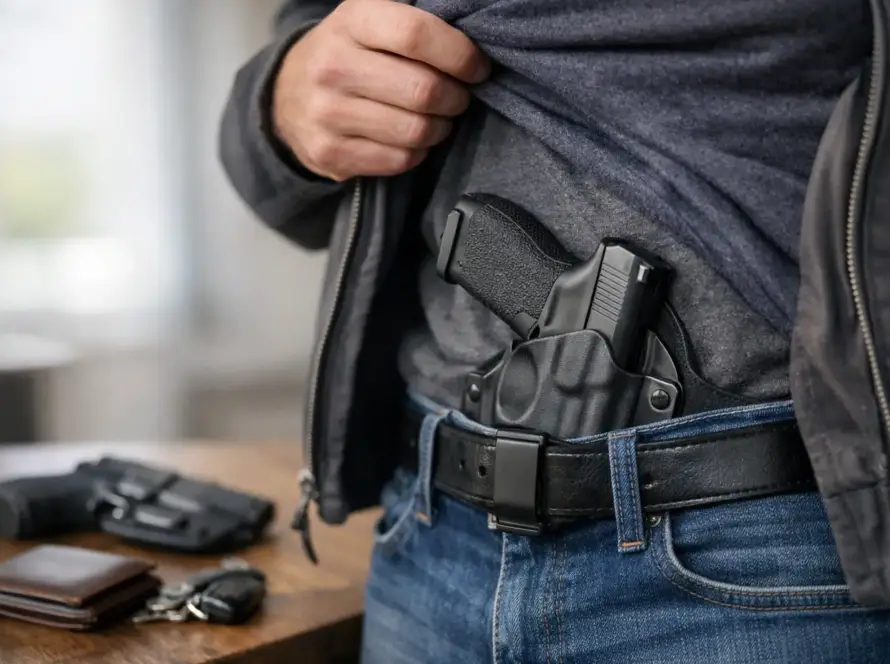
A pistol red dot either makes your handgun faster and easier to shoot, or it turns into an expensive problem bolted to the slide. That is why choosing the best red dot for pistol use comes down to more than brand names. You need the right optic for your handgun, your carry method, and the way you actually train.
A lot of buyers start with the wrong question. They ask which optic is the best overall, when the better question is which optic fits the job. A compact concealed carry gun has different demands than a full-size duty pistol or a range setup built for high round counts. Window size, emitter type, mounting footprint, brightness controls, battery access, and durability all matter. If one of those is wrong for your setup, the optic can become a weak point.
How to choose the best red dot for pistol use
The first thing to check is footprint compatibility. Not every pistol slide is cut for the same optic pattern, and not every mounting plate system holds up equally well over time. RMR footprint optics remain the most common standard for full-size pistols, but RMSc and other micro footprints are common on slim carry guns. Before you compare features, confirm the optic will mount correctly on your slide or plate.
Durability comes next. A pistol optic takes more abuse than a rifle optic in many cases because it is riding the reciprocating slide every time the gun cycles. That repeated impact can expose weak electronics, poor lens coatings, and soft housings in a hurry. If the optic is going on a carry or duty gun, shock resistance and long-term reliability should be ahead of convenience features.
Window size matters, but not in the way many buyers think. Bigger windows are easier to track during presentation and recoil, especially for newer red dot shooters. The trade-off is added bulk, more printing on concealed carry guns, and sometimes more weight on the slide. For a dedicated range pistol or home defense handgun, a larger window is often worth it. For daily carry, smaller optics may make more sense if the draw and concealment matter more.
Reticle choice depends on your use case. A simple 3 MOA or 6 MOA dot works for most shooters. Smaller dots can help with precision at distance, while larger dots are often faster to pick up at close range. Multi-reticle systems can be useful, but they also add cost and complexity. If you want a clean, no-nonsense setup, a standard dot is still hard to beat.
Battery life and battery access are practical concerns, not marketing extras. Side-load or top-load batteries let you replace the battery without removing the optic and losing zero. That matters on a carry gun. If an optic requires removal for battery changes, you need to decide whether the lower purchase price is worth the extra maintenance hassle.
Best red dot for pistol categories that actually matter
There is no single winner for every shooter, but there are clear category leaders.
For concealed carry, smaller enclosed or open-emitter optics with proven durability usually make the most sense. The Holosun EPS Carry gets a lot of attention for good reason. It offers an enclosed emitter in a carry-friendly size, solid battery life, and practical reticle options. For shooters carrying in mixed weather, lint, sweat, and everyday movement, that enclosed design can be a real advantage.
If you want a proven open-emitter carry optic, the Trijicon RMRcc and Holosun 507K remain strong picks depending on your slide and budget. The RMRcc has the brand reputation and toughness many serious users want, while the 507K brings good value, easier pricing, and strong feature sets. The trade-off is straightforward – premium durability usually costs more.
For duty or hard-use full-size pistols, the Trijicon RMR Type 2 is still one of the standards by which others get judged. It has a long track record, a durable housing, and broad compatibility. It is not the cheapest option, and it is not the most feature-packed, but it remains a serious choice for shooters who prioritize reliability over extras.
The Aimpoint ACRO P-2 also deserves a hard look in this category. Enclosed emitter optics have gained ground fast because they keep the emitter protected from debris, rain, and fouling. The ACRO P-2 is expensive, and it adds some size to the slide, but for a duty handgun or defensive setup, the benefits are real. If your pistol may be exposed to rough conditions, enclosed optics are worth the premium.
For range use, training, and competition-style shooting, larger-window optics like the Leupold DeltaPoint Pro, Trijicon SRO, or Holosun 507C can be very appealing. These optics are easier to track under recoil and generally faster during repeated strings. The trade-off is that some of them are better suited for range and competition roles than heavy-duty carry use. A big window is great until it becomes too large for the role.
Open emitter vs enclosed emitter
This is one of the biggest buying decisions in the current market. Open-emitter optics are still common because they are lighter, often lower profile, and available across a wider price range. They work well for many shooters, especially in normal carry and range conditions.
Enclosed-emitter optics add protection. Dust, moisture, pocket lint, and carbon buildup are less likely to block the emitter and leave you hunting for a dot at the wrong time. That extra protection is especially useful on carry guns, home defense setups, and pistols used in poor weather. The downside is cost and bulk. If you are trying to keep a slim carry gun as trim as possible, an enclosed optic may feel like more than you need.
Budget matters, but cheap optics cost twice
If you are looking for the best red dot for pistol setups on a tight budget, there are decent mid-tier options. Holosun has built a strong position here because it gives shooters practical features, decent durability, and multiple footprints without pushing premium pricing on every model. For many buyers, that value is hard to ignore.
What usually does not pay off is going too cheap. Entry-level optics with questionable track records may work for a while on a range gun, but slide-mounted pistol use is punishing. A failed optic means wasted ammo, wasted training time, and often another purchase later. If the pistol is for self-defense or daily carry, cutting corners on the optic is the wrong place to save money.
A smarter approach is matching price to role. A premium optic makes sense on a duty gun, carry pistol, or a trusted home defense handgun. A mid-priced optic can be perfectly reasonable on a range gun or backup setup. The key is being honest about how the gun will be used.
Mounting, co-witness, and zero
Even the best optic can disappoint if it is mounted badly. Use the correct screws, the correct torque spec, and the correct plate if your pistol requires one. A loose optic will not stay zeroed, and overtightening can damage threads or the optic body. Mounting is not the place to guess.
Suppressor-height irons are often worth considering if the pistol is set up for carry or defense. They give you a backup sighting system and can help with dot acquisition during the learning period. You do not need a huge co-witness cluttering the window, but a lower-third backup can be practical.
Zero distance is another point where buyers overcomplicate things. For most pistol red dots, a 10-yard or 15-yard zero is a practical starting point, with some shooters preferring 25 yards depending on training style. What matters most is consistency. Zero the optic, confirm it with your carry or duty load, and actually train with it.
What most shooters should buy
If you want a straightforward answer, most shooters are best served by one of three lanes. For premium hard-use reliability, look at Trijicon RMR Type 2 or Aimpoint ACRO P-2. For strong value and broad feature sets, Holosun models like the 507C, 507K, or EPS series are hard to overlook. For competition and range use where window size matters most, larger options like the SRO or DeltaPoint Pro are worth the extra size.
The best red dot for pistol use is the one that matches the handgun and holds up to the job. A slim concealed carry pistol should not be wearing a bulky range optic just because the window looks good on the counter. A duty gun should not rely on the cheapest optic in the case because it saved a little money up front. Buy for the role, not the hype.
If you are upgrading a pistol that you trust, treat the optic the same way you treat magazines, ammo, and holsters. Pick proven gear, mount it correctly, and verify it on the range. The right red dot will not make up for poor fundamentals, but it will make a well-set-up handgun faster, cleaner, and more capable where it counts.