A dirty gun usually tells on itself at the wrong time – sticky extraction, sluggish cycling, a rough bore, or a trigger area full of grit after a long range day. Finding the best gun cleaning kit is less about buying the biggest case on the shelf and more about matching the kit to your firearms, your round count, and how you actually maintain your gear.
Some shooters want one box that handles everything from a carry pistol to a deer rifle. Others need a compact field kit that lives in a range bag, truck, or hunting pack. The right choice depends on platform, frequency of use, and whether you want a fast wipe-down system or a bench setup that covers deep cleaning.
What makes the best gun cleaning kit
The best gun cleaning kit should solve three problems without wasting space or money. First, it needs to fit your calibers and gauges. Second, it needs tools that will not damage the bore, crown, finish, or small parts. Third, it should make cleaning faster, not turn a simple job into a sorting project.
A good kit usually starts with caliber-specific support. That means the right jags, brushes, mops, patch holders, and rods or pull-through tools for the guns you own. Universal kits can be a strong value, but only if the included parts are organized well and the threading is consistent. Cheap universal kits often look complete until you actually need a .22 bore brush, a shotgun mop, or an adapter that does not strip after two uses.
Material quality matters more than flashy packaging. Brass rods, coated rods, durable nylon jags, bronze brushes, and solvent-resistant storage cases tend to hold up. Soft metal components that bend easily, brittle plastic handles, and loose-fitting rods can slow the job down and, in some cases, risk damage if used carelessly.
Best gun cleaning kit types by use
Universal kits for mixed collections
If you own handguns, rifles, and shotguns, a universal kit usually makes the most sense. This style is built for the shooter with multiple calibers and platforms, and it works best on a bench or work table where you can lay tools out and clean several firearms in one session.
The upside is coverage. You get more brushes, more mops, more jag sizes, and often shotgun components in the same case. The trade-off is bulk. A universal kit is not ideal for a range bag unless you have room to spare, and some include filler pieces that never get used.
For the buyer with a growing collection, this is often the best gun cleaning kit format because it avoids buying separate kits for every platform. Just make sure the case layout is secure. If parts come loose every time the lid opens, the value drops fast.
Pistol cleaning kits for carry and range guns
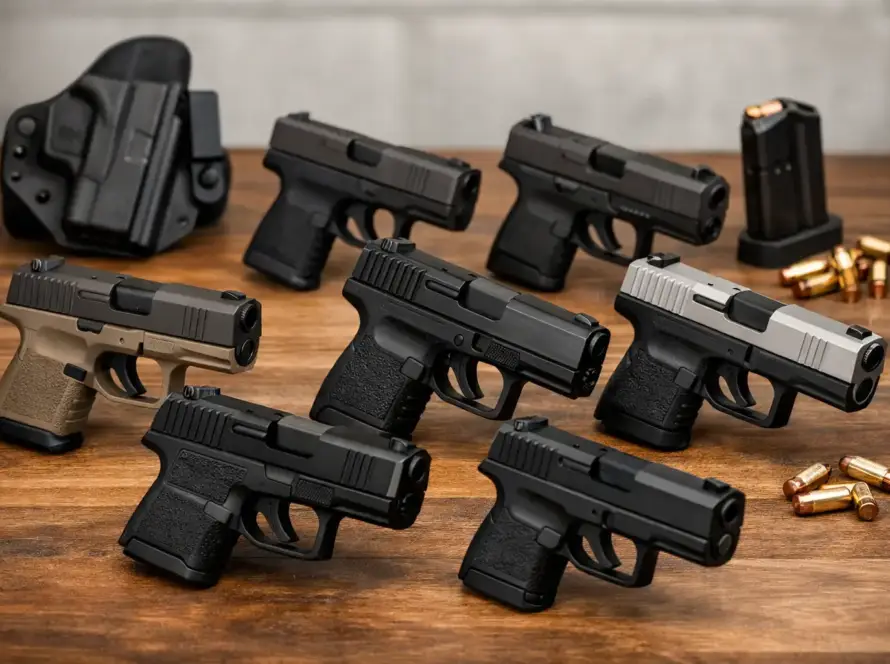
A pistol-focused kit is a practical choice for shooters who primarily run compact, full-size, or duty handguns. These kits usually center on common handgun calibers, shorter rods, brushes, picks, patches, and compact bottles for solvent or oil.
This format works well for concealed carry owners, frequent range shooters, and anyone who wants a fast maintenance setup for 9mm, .40 S&W, .45 ACP, or similar handgun calibers. You are not paying for shotgun mops or long rifle rods you will never touch. The limitation is obvious – if you also shoot centerfire rifles or shotguns, a pistol kit will not cover the whole rack.
Rifle kits for bore precision
Rifle cleaning is where rod quality, patch fit, and bore guide compatibility start to matter more. A rifle kit aimed at precision or hunting use should support proper bore cleaning from chamber to muzzle whenever the firearm design allows it.
Shooters running AR-platform rifles, bolt guns, or rimfire trainers often benefit from kits with stronger rods, caliber-specific brushes, and tools that handle carbon buildup in chambers and locking areas. If accuracy is a priority, skipping bargain-bin components is usually worth it. Bore maintenance is one place where poor tools can create real frustration.
Pull-through and field kits
For travel, hunting camps, range bags, and quick maintenance between sessions, pull-through systems are hard to beat. They pack small, move fast, and handle routine bore cleaning without carrying a full case of rods and adapters.
They are not always the best option for deep fouling, copper-heavy rifle cleaning, or detail work on actions and chambers. But for shooters who need compact gear that actually gets used, a field kit often sees more real-world mileage than a large bench kit that stays in the closet.
The tools that actually matter
A lot of kits try to sell quantity. What matters is whether the core pieces are built for repeat use.
A solid cleaning rod should thread smoothly, stay straight, and give you enough control to avoid scraping the bore or crown. Coated rods can help protect the bore, while brass components are common and generally safe when used correctly. Multi-section rods are convenient, but they are usually less rigid than one-piece options.
Brushes and jags should fit correctly. Oversized components can bind, and undersized ones do not clean effectively. Bronze brushes are a standard choice for bore work, while nylon brushes are useful when you want a less aggressive option around finishes or certain solvents.
Picks, utility brushes, and cleaning swabs matter too, especially for semi-auto pistols and modern sporting rifles. Carbon buildup does not stay in the barrel. It settles in feed ramps, bolts, slides, rails, chambers, and tight corners where a patch alone will not do much.
Storage is easy to overlook until parts start disappearing. A case with labeled slots and secure retention saves time and keeps caliber-specific tools from mixing together.
How to choose the right kit for your firearms
Start with the guns you shoot most, not the guns you might buy later. If your regular rotation is a 9mm pistol, a 5.56 rifle, and a 12 gauge, your kit should cover those three well before it covers obscure calibers you rarely touch.
Next, think about cleaning style. If you clean after every range trip, speed matters. A compact, organized kit with the right basics may serve you better than a giant all-in-one case. If you batch clean several firearms at once, a larger universal setup has more value.
Also consider where you clean. Bench kits are better for home setups with room to spread out. Pull-through kits and compact pistol kits make more sense if maintenance often happens at the range, in camp, or on the road.
Finally, be honest about use level. A casual shooter can get good service from a mid-tier kit if the parts are well made. High-volume shooters, hunters in rough conditions, and anyone maintaining defensive firearms should lean toward better materials and more dependable fit.
Common mistakes when buying a cleaning kit
The biggest mistake is buying by piece count alone. More pieces do not always mean more capability. Many low-cost kits pad the number with duplicate adapters, flimsy accessories, or odd sizes you may never use.
Another mistake is ignoring caliber coverage. A universal label does not guarantee support for your exact setup. Check for the handgun calibers, rifle bores, and shotgun gauges you actually own.
It is also easy to underestimate the value of organization. If the case is poorly designed, parts fall out, threads get damaged, and basic maintenance becomes a scavenger hunt. For many buyers, that is the difference between a kit that gets used and one that gets replaced.
When a universal kit is enough – and when it is not
For most gun owners, a well-built universal kit is the right starting point. It covers the basics across multiple platforms and keeps your maintenance gear in one place. For general upkeep on pistols, rifles, and shotguns, that is often enough.
Where it falls short is specialized cleaning. Precision rifle shooters may want dedicated bore rods and caliber-specific tools. AR owners may want chamber brushes and bolt-tail scrapers beyond what a generic kit includes. Competitive handgun shooters may prefer a lighter, faster setup tailored to a few specific calibers.
That is why the best gun cleaning kit is not always the biggest or most expensive one. It is the one that fits your firearms and gets used consistently.
What smart buyers should look for first
If you are narrowing down options, focus on fit, material quality, and organization before anything else. Make sure the kit supports your primary calibers, includes usable rods or pull-through components, and stores everything securely. After that, extra tools are a bonus, not the deciding factor.
For most shooters, the strongest buy is a dependable universal kit backed by quality brushes, jags, and rods, with a compact field option added later if needed. That setup covers home maintenance and range use without overcomplicating the job.
A clean firearm is basic equipment discipline. Buy the kit that matches your actual loadout, keep it where you will use it, and maintenance becomes one less thing to put off.