An AR platform can get cluttered fast. A rifle that started as a clean, reliable setup turns into extra weight, extra batteries, and extra parts that do not help once the timer starts or the light gets low. That is why choosing ar15 accessories should start with the job the rifle actually needs to do, not with whatever looks good on a product page.
For most buyers, the right setup comes down to three lanes: home defense, range training, and hunting or field use. There is overlap, but not every rifle needs the same gear. A defensive carbine benefits from a dependable white light and a fast optic. A range rifle may get more value from improved controls and extra magazines. A field rifle often needs to stay lighter and simpler than many buyers expect.
AR15 accessories that earn their place
The best upgrades solve a real problem. They help you identify a target, aim faster, manage the gun better, carry it more effectively, or keep it running. If an accessory does none of those things, it is probably adding cost and bulk without adding performance.
Start with the sighting system. If your rifle still wears basic iron sights, that is not a bad thing, but most shooters will gain speed with a quality red dot. Red dots are hard to beat for close to mid-range use because they are fast, simple, and easier to use under stress than irons alone. If the rifle is intended for more distance, a low power variable optic can make sense, but there is a trade-off. You gain flexibility at range and lose some speed, weight, and simplicity.
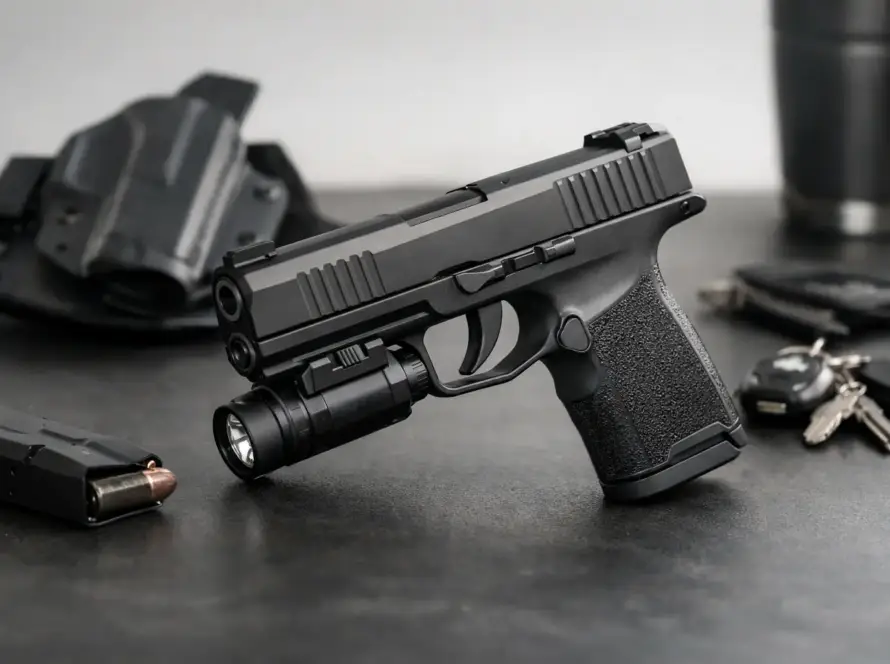
A white light is another accessory that often belongs on a serious-use rifle. If the gun may ever be used for defense in low light, target identification is not optional. A rifle light should have enough output to positively identify what is in front of you, with controls you can activate consistently. Cheap lights are easy to buy and easy to regret.
A sling matters more than many shooters think. A good two-point sling turns the rifle into something you can actually manage while moving, opening doors, using your hands, or transitioning tasks. It is not just a carrying strap. It is part of rifle control. Single-point slings still have a niche for some setups, but for most users, a two-point remains the practical choice.
Build around the rifle’s actual role
A defensive AR and a range AR can share parts, but the buying priorities should be different. This is where many accessory purchases go sideways.
Home defense setup
For home defense, keep the rifle direct and dependable. A red dot, a white light, backup sights, and a sling cover most real needs. If the stock does not fit you well, swap it for one that locks up solid and gives a consistent cheek weld. A better pistol grip can also improve control, especially if the factory grip angle feels wrong for your shooting position.
This is not the place to overload the handguard with extra gear. Lasers, oversized foregrips, and decorative add-ons usually do not help a homeowner under stress. Weight out front slows the rifle down and makes it less comfortable to hold on target.
Range and training setup
A training rifle can justify a few more comfort and performance upgrades. Controls like an ambidextrous safety, enlarged charging handle, or improved trigger can help if they fit your style of shooting. A flat-faced trigger might work well for one shooter and feel wrong to another, so this category is personal. What matters is reliability first, then cleaner control.
Extra magazines are one of the least flashy but most useful purchases in the category. Serious range shooters burn time and money by showing up with too few mags. Good mags reduce loading time, support drills, and give you spares when one gets damaged or starts acting up.
Hunting and field setup
A field rifle needs restraint. That usually means lighter optics, fewer rail-mounted extras, and a sling that carries well over distance. Depending on the game and terrain, a compact LPVO or a lightweight scope may be a smarter move than a red dot. If shots are close and fast, a red dot can still work, but many hunters want more precision at distance.
In this lane, weight matters. So does battery dependence. Every added accessory should justify itself against miles walked and time spent in changing weather.
Which AR15 accessories matter most first
If you are outfitting a new rifle from scratch, buy in this order: magazines, sights or optic, sling, white light for defensive use, then comfort or control upgrades. That order keeps spending tied to function.
Many buyers jump straight to muzzle devices, specialty grips, bipods, or cosmetic furniture before they have enough mags or a dependable optic. That is backward. Core gear makes the rifle usable. Cosmetic changes make it look finished.
A trigger upgrade is a good example of something that depends on the rifle’s role. On a competition or range gun, a cleaner break can be worth it. On a defensive rifle, some shooters prefer to stay closer to a duty-style pull weight for predictability and margin under stress. There is no universal answer, only fit for purpose.
Common accessory categories and trade-offs
Optics improve speed and hit probability, but they add cost and sometimes battery concerns. Back-up iron sights are still smart insurance, especially on a working rifle.
Weapon lights are critical for low-light defense, but they add front-end weight. Placement matters too. A poor switch setup can make a good light frustrating to use.
Slings improve retention and carry, but a bad sling setup can snag gear or hang awkwardly. Adjustable two-point slings usually offer the best balance.
Vertical grips and hand stops can improve indexing and control, but not every shooter needs them. On a shorter rifle, they may help more. On a lightweight general-purpose build, they can be optional.
Stocks and grips can make a noticeable difference in fit. That said, they are not magic. If your shooting fundamentals are weak, furniture upgrades will not fix them.
Muzzle devices can reduce recoil or flash, but they come with trade-offs in blast, noise, and cost. A brake may feel great on the range and be miserable indoors. A flash hider often makes more sense for a practical rifle.
Avoid the overloaded rifle problem
A lot of AR owners eventually learn the same lesson – a rifle covered in accessories is not automatically better. It is often slower, heavier, and harder to maintain. The right approach is to decide what problem needs solving and buy for that problem only.
That also means matching quality to purpose. A range toy can tolerate more experimentation. A defensive rifle should get proven components from reputable makers. Saving money on a backup range part is one thing. Saving money on the optic mount or weapon light on a home-defense gun is another.
Fitment also matters. Not every accessory works cleanly with every handguard, stock tube, optic height, or mounting standard. Before buying, confirm compatibility with your rifle’s rail system, barrel length, gas setup, and intended optic position. That extra minute checking specs can save you from a drawer full of parts that almost work.
Buying ar15 accessories without wasting money
The easiest way to waste money is to buy in the wrong sequence. The second easiest way is to buy duplicates because the first version was cheap, weak, or poorly matched to the rifle.
If your budget is limited, focus on parts that directly affect use. Buy quality magazines. Buy a dependable optic if the rifle needs one. Buy a real sling. Buy a light if the rifle has a defensive role. Then shoot the rifle enough to learn what actually needs improvement.
That process usually leads to smarter purchases. Some shooters find they want a different stock after a few range sessions. Others realize the factory controls are fine but the optic is holding them back. Experience reveals gaps better than browsing alone.
For buyers shopping broad inventory, this is where a retailer with category depth helps. Being able to compare optics, magazines, grips, lights, mounts, and maintenance gear in one place makes it easier to build around the rifle instead of buying random parts one at a time.
Keep the rifle support gear in the plan
Accessories on the rifle get most of the attention, but support gear matters too. Cleaning supplies, spare batteries, lubricant, magazine pouches, and a case all support actual ownership. If the rifle gets shot regularly, these are not side purchases. They are part of the package.
Maintenance items are especially easy to overlook until the gun starts running dirty or you burn through consumables. A reliable rifle stays reliable because the owner supports it with the basics, not because the rail has every slot filled.
The best AR setup is usually the one that stays simple, runs hard, and fits the mission. Buy the accessories that help you identify, aim, carry, control, and maintain the rifle. Skip the rest until your shooting tells you otherwise. A practical rifle with a few smart upgrades will beat a loaded rifle full of compromises every time.