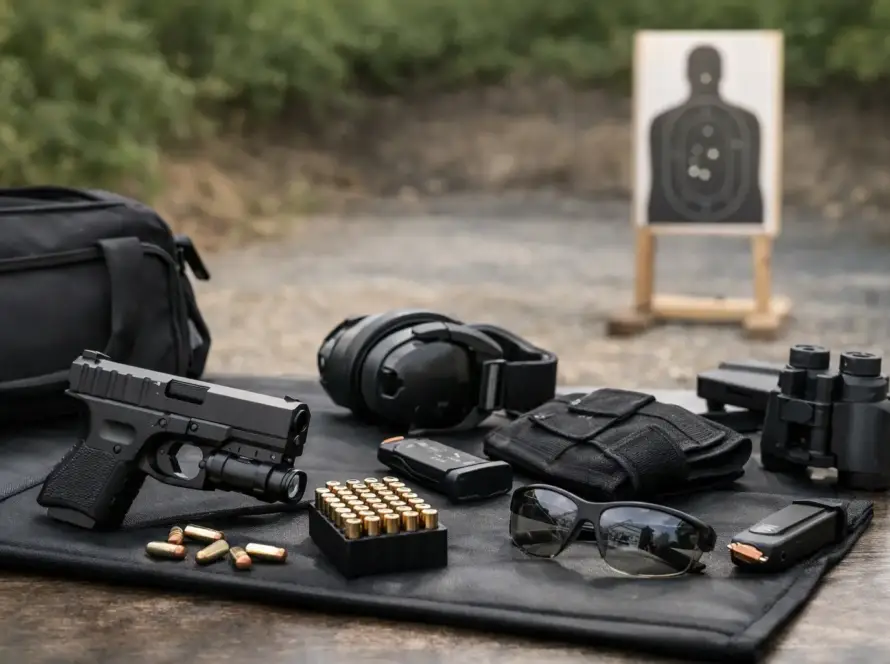
A .22 WMR can look simple on paper, but ammo choice changes how it performs in the field. If you’re shopping for 22 wmr ammo for hunting, the wrong load can mean shallow penetration on tougher varmints or too much damage on edible small game. The right load gives you clean hits, better range, and more confidence when the shot window is short.
Why 22 WMR ammo for hunting still earns a spot in the field
The .22 Winchester Magnum Rimfire sits in a useful middle ground. It hits harder and carries energy farther than .22 LR, but it still keeps recoil light, rifles compact, and follow-up shots fast. For hunters running rimfire bolt guns, lever actions, or lightweight semi-autos, that matters.
This cartridge is a practical choice for rabbits, squirrels in certain setups, raccoons, foxes, and varmints like prairie dogs, groundhogs, and coyotes at limited distances. That last part matters. A .22 WMR is not a do-everything round. It performs best when your target size, shot placement, and range all line up.
For many hunters, that is exactly the appeal. You get more reach than .22 LR without stepping into centerfire cost, blast, and rifle weight. If your priority is small game and pest control with a flat-shooting rimfire, .22 WMR stays relevant for a reason.
The biggest factor is bullet type
Not all .22 WMR loads are built for the same job. That is where a lot of buying mistakes happen. Hunters see the caliber and assume any 40-grain load will do the same work. It will not.
Jacketed hollow points
Jacketed hollow points are the standard starting point for varmints and predators. They expand quickly, transfer energy fast, and usually deliver decisive results on thin-skinned animals. If you’re targeting groundhogs, raccoons, or foxes, this is often the most useful category.
The trade-off is meat damage on edible game. If your goal is putting rabbits or squirrels in the bag, some hollow points can be more destructive than you want, especially at closer distances.
Full metal jacket loads
FMJ loads give less expansion and usually penetrate deeper. Some hunters like them for small game where preserving meat matters more than aggressive expansion. They can also work when you want a predictable straight path through light tissue.
The downside is obvious. On varmints, FMJ can be less effective than an expanding load, especially if your shot placement is less than perfect. In practical terms, FMJ is more of a niche hunting choice than a general one.
Polymer-tipped and purpose-built varmint loads
This is where .22 WMR gets interesting. Polymer-tipped bullets and specialized varmint loads are built for fast upset, flatter trajectories, and strong terminal effect on small targets. In many rifles, these loads also shoot very accurately.
They are excellent for pest control and open-country varmint hunting. They are less ideal if you want to limit tissue damage or if your rifle simply does not group them well. Rimfires can be picky, so velocity claims on the box mean less than real accuracy from your gun.
Best uses for .22 WMR in hunting
The best 22 WMR ammo for hunting depends on what you are after, not just what is on sale.
For rabbits and squirrels, many hunters lean toward controlled loads that avoid excessive expansion. Precision matters more than raw terminal effect. A head shot with a less destructive bullet is usually the cleaner solution.
For raccoons, possums, and similar pests, a quality JHP often makes more sense. You want reliable penetration with enough expansion to end the job quickly.
For groundhogs and prairie dogs, lighter, faster varmint loads can be very effective. These loads tend to shine when ranges stretch a bit and you want a flatter hold.
Coyotes are where judgment matters. Can a .22 WMR kill a coyote? Yes, under the right conditions. Is it the best tool for regular coyote hunting? No. If you are using it on coyotes, keep distances conservative and shot placement exact. That is not a place for wishful thinking.
Range matters more than caliber debates
A lot of opinions about .22 WMR come from people stretching it too far. Inside sensible distances, it is capable and efficient. Outside those distances, performance drops off quickly compared to small centerfire rounds.
For most hunters, the sweet spot is inside 125 yards, and often inside 100 yards for more consistent terminal results. Some rifles and loads can stay accurate beyond that, but field accuracy and terminal effect are not the same thing. Hitting steel at 150 yards is one thing. Anchoring game cleanly is another.
That is why ammo testing matters. You are not just checking group size. You are checking point of impact, consistency, and whether a given load keeps the performance you need at realistic hunting ranges.
What to look for when buying 22 WMR ammo for hunting
Start with bullet weight and intended use. Lighter bullets are often faster and flatter, which helps on small varmints. Heavier bullets can offer better penetration and may perform better on tougher animals. Neither is automatically better. Match the load to the target.
Then look at reliability. Rimfire ammo is not centerfire ammo. Manufacturing quality matters, and some rifles prefer certain brands or bullet styles. If you find a load that cycles, groups, and hits where you expect, it makes sense to buy enough of that lot to stay consistent through the season.
Velocity matters, but not in isolation. A load advertised as extremely fast is only valuable if your rifle shoots it well. Plenty of hunters have learned this the expensive way. The chronograph numbers looked great, but the groups opened up and field results suffered.
Finally, pay attention to your hunting setup. A load that performs well in a 22-inch bolt gun may behave differently in a shorter-barreled revolver or compact rifle. Barrel length, optics, and your typical shot distance all affect what counts as the right ammo.
Popular load styles worth considering
Most hunters end up comparing a few familiar categories. Traditional 40-grain JHP loads remain a strong general-purpose option because they balance penetration and expansion well. If you want one load for mixed varmints and pest control, that is often the safe play.
Lighter 30- to 34-grain varmint loads offer speed and explosive performance on smaller targets. They are a solid fit for prairie dogs, ground squirrels, and similar pests where rapid expansion is a plus.
FMJ loads make more sense when meat preservation is the priority or where a non-expanding profile better suits your use. They are not the default answer for most hunters, but they still have a role.
This is also where stocking up matters. Once you know what your rifle likes, availability becomes part of the equation. Serious hunters do better when they buy proven loads in quantity instead of chasing whatever random box is left on the shelf before a trip.
Accuracy testing is not optional
If you want real performance from .22 WMR, test at the distances you actually hunt. Shoot groups at 50 and 100 yards. Confirm zero from a field rest, not just a bench. Watch for wind drift. Rimfires do not give you much room for error once conditions start working against you.
It also helps to test more than one load style. Some rifles strongly prefer one bullet weight over another. A rifle that groups average with one hunting load may suddenly tighten up with a different brand or a different bullet design.
That is why practical buyers treat ammo like part of the system. Rifle, optic, and load all have to work together. If one part is off, hunting performance suffers.
When .22 WMR is the right call and when it is not
The .22 WMR is a strong choice when you want a lightweight hunting rifle, low recoil, manageable ammo cost, and enough power for small game and varmints beyond normal .22 LR range. It is efficient, easy to shoot, and useful for hunters who value precision over brute force.
It is not the right answer when game size increases, winds are strong, or shots get long. That does not make the cartridge weak. It just means you need to stay inside its lane.
Hunters who understand that usually get the best results. They pick the right bullet type, keep ranges realistic, and spend time confirming what their rifle does with a specific load. That is how 22 WMR earns its place season after season.
If you are buying for the next hunt, think less about hype and more about the target, the distance, and what your rifle actually shoots well. That approach saves ammo, saves time, and usually leads to better shots when it counts.