A bedside safe has a difficult job: it must keep unauthorized people out while allowing a responsible owner to access a secured firearm without fumbling through a mechanical lock in low light. This Vaultek safe review looks at whether the brand’s electronic safes justify their higher price compared with basic lockboxes and traditional handgun safes.
Vaultek has built its reputation around quick-access storage with modern access methods, compact designs, and, on selected models, app-based monitoring. The products are not all built for the same role. A slim safe for a nightstand, a portable case for vehicle transport, and a larger long-gun safe solve different storage problems. Choosing the right model matters more than simply choosing the brand.
Vaultek Safe Review: What You Are Paying For
Most Vaultek safes combine a steel enclosure with an electronic locking system. Depending on the model, entry can be through a numeric keypad, enrolled fingerprint, backup key, Bluetooth-enabled app, or a combination of these methods. Many models also use a spring-assisted door, so the safe opens immediately once the lock releases rather than requiring the user to pull at the lid.
That convenience is the main reason buyers consider Vaultek. A basic keyed lockbox can secure a firearm from casual access, but it may be slower to open and harder to operate under stress. A well-set-up Vaultek keypad or biometric safe can provide faster access while still maintaining a locked storage condition when the firearm is unattended.
The higher price also pays for details that are easy to overlook until the safe is installed: interior lighting on certain models, low-battery alerts, adjustable mounting hardware, anti-pry construction, tamper alerts, and interior organization for magazines or documents. Features vary considerably by product line, so shoppers should compare the exact model rather than assuming every Vaultek safe includes every feature.
Build Quality and Security Expectations
Vaultek generally uses steel bodies and reinforced door construction that feel more substantial than lightweight travel lockboxes. Compact pistol safes are designed to resist casual theft and unauthorized access when properly mounted. They are not a replacement for a full-size, heavy residential safe designed to delay a determined burglary attack.
This distinction is important. A small bedside safe can be carried away if it is not secured to a solid structure. Use the supplied mounting points when possible, and select mounting hardware appropriate for the surface. A cable can add flexibility for vehicle use or temporary placement, but direct mounting provides a stronger installation for a home safe.
Anti-pry bars, dual side latches, and recessed door seams on many Vaultek models improve resistance against simple forced entry. Still, the security level depends on the specific safe’s construction, placement, and installation. No quick-access safe should be treated as an impenetrable vault.
Fire protection is another trade-off. Many compact electronic handgun safes, including Vaultek’s quick-access options, are not intended to provide the fire ratings associated with large gun safes. If fire resistance, high-capacity storage, or permanent long-term storage is the priority, a larger fire-rated safe may be the better category.
Biometric Access: Fast, but Set It Up Carefully
Fingerprint access is a major selling point on several Vaultek safes. When the scanner recognizes the enrolled print, it can be a quick and intuitive option. It is especially useful for owners who do not want to rely only on remembering a code.
Biometric performance is not magic. Finger placement, dry skin, moisture, dirt, and incomplete enrollment can affect recognition. The practical approach is to enroll the same finger multiple times from slightly different angles, test access repeatedly, and register more than one approved finger. Keep the keypad code and backup key available according to your household safety plan.
For many users, a keypad remains the most consistent primary access method, with biometrics serving as a convenient second option. If the safe will be accessed by more than one authorized adult, confirm that the selected model supports enough users and fingerprints for the household.
Smart Features: Useful Monitoring, Not a Requirement
Selected Vaultek Smart Safe models offer Bluetooth connectivity through a mobile app. Depending on the model, the app may provide safe status, tamper notifications, remaining battery information, and settings control. For owners who want to know whether a safe was opened or left unsecured, that visibility is valuable.
The trade-off is that more electronic features mean more setup. You will need to learn the controls, maintain battery power, and keep the app and firmware settings current when applicable. Some buyers prefer the simplest possible setup: keypad, physical backup key, and no connected functions. That is a reasonable choice if remote status checks do not add value to your use case.
Bluetooth capability should not be confused with remote internet access. Review the features and operating limits of the exact model before buying, especially if notifications are a deciding factor.
Which Vaultek Safe Type Fits Your Needs?
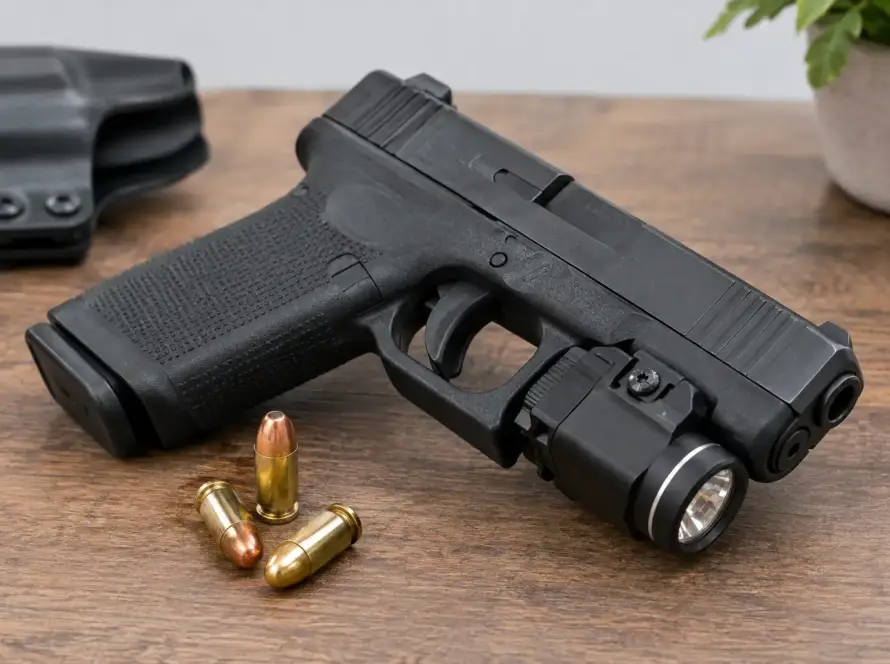
For a bedside handgun, a VT Series or similar quick-access pistol safe is often the logical starting point. These models prioritize compact placement, fast opening, and mounting options. Before purchase, measure the firearm with any mounted optic, weapon light, holster, or extended magazine. Interior space can disappear quickly once accessories are added.
For a vehicle, travel, or discreet storage, the LifePod line is worth considering. Its portable format and weather-resistant construction can be useful for protecting valuables and legally transporting equipment. However, portability should not be mistaken for permanent theft protection. Follow all applicable federal, state, and local transportation and storage requirements, particularly when crossing state lines or leaving a firearm in a vehicle.
For owners who need to secure several long guns, handguns, accessories, and ammunition, Vaultek’s larger RS Series models offer a more organized, modular approach. These models are better suited to a dedicated storage area than a nightstand. They also require more attention to delivery access, floor space, anchoring, and the overall security of the room.
The right choice comes down to access needs, available space, and the level of protection required. A compact safe is usually the better tool for a defensive handgun kept close at hand. A larger safe is the better tool for a growing collection or long-term storage.
Battery Life, Backup Entry, and Daily Reliability
Electronic safes require routine ownership, not just a one-time installation. Vaultek models commonly use rechargeable battery systems or batteries depending on the product line. Check the charge level on a schedule, replace or recharge power sources before they become critical, and test the safe after maintenance.
A backup key is a practical safeguard, but it should not be stored inside the safe or left in an obvious nearby location. Store it where authorized adults can retrieve it if needed while keeping it inaccessible to children, visitors, or unauthorized users.
It is also wise to practice opening the safe under normal conditions before relying on it at night. Verify that the door clears nearby furniture, that the safe is firmly mounted, and that the opening orientation works from your normal position. A safe with excellent features can still be a poor fit if its location makes access awkward.
The Real Trade-Off: Price Versus Purpose
Vaultek safes are usually more expensive than basic lockboxes, and that premium is not necessary for every owner. If the goal is simple compliance during transport or keeping an unloaded firearm out of casual reach in a low-risk setting, a quality conventional lockbox may be sufficient.
A Vaultek makes more sense when quick, repeatable access and better organization are priorities. It is also a strong fit for owners who value status monitoring, biometric entry, clean installation, and a more refined user experience. The brand’s compact safes are particularly compelling when installed correctly and matched to the firearm they will store.
The limitations are equally clear: electronics need maintenance, compact safes do not offer the burglary or fire protection of a large anchored safe, and biometric access requires careful enrollment. Those are manageable trade-offs, not deal-breakers, provided the buyer has realistic expectations.
For responsible firearm owners, the best safe is the one that fits the firearm, fits the location, stays secured in place, and can be operated confidently by authorized users. Measure first, compare the exact Vaultek model’s features, and build regular battery checks and access testing into your storage routine.