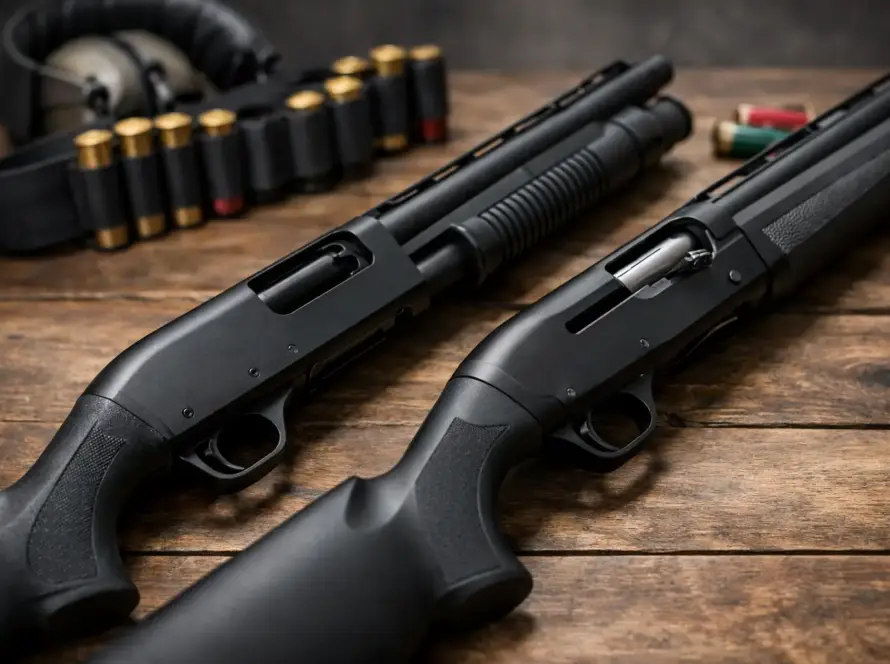
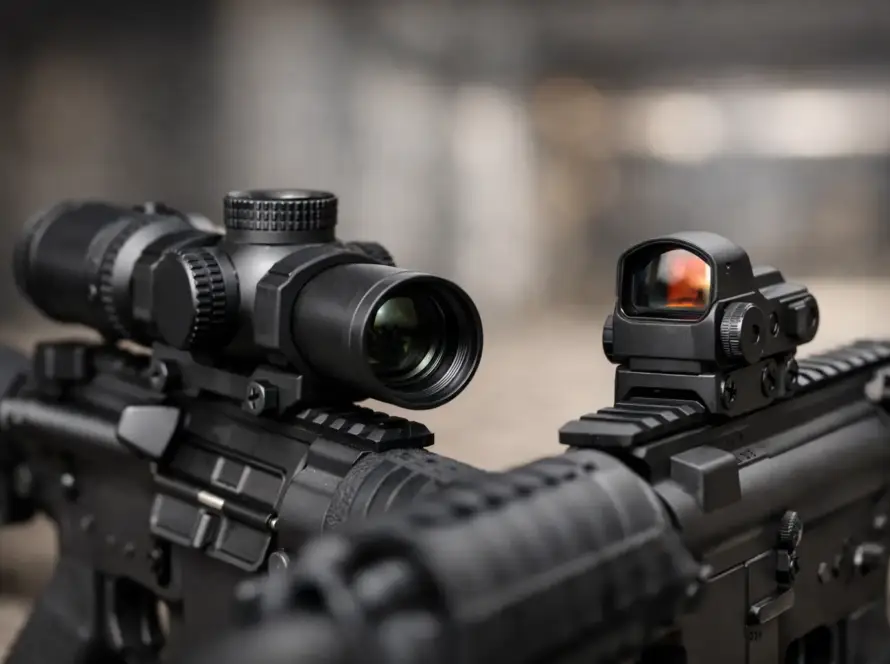
A rifle that feels right on a store rack can feel very different after a long range session, a day in the field, or a season in the safe. The bolt action versus semi automatic question is not about declaring one platform universally better. It is about matching the firearm to the job, the shooter, the budget, and the level of maintenance the owner is prepared to handle.
For many buyers, a bolt-action rifle is the straightforward choice for hunting, deliberate target shooting, and maximum cartridge flexibility. A semi-automatic rifle brings faster follow-up shots and a different shooting rhythm that may better suit structured range practice, certain hunting applications where lawful, or recreational shooting. Both demand safe handling, quality ammunition, secure storage, and time behind the trigger under qualified instruction.
Bolt Action Versus Semi Automatic: The Core Difference
A bolt-action rifle requires the shooter to manually cycle the bolt after each shot. That action extracts the fired case, chambers a fresh cartridge, and returns the rifle to a ready condition. The process is simple, visible, and deliberate. It also naturally slows the pace of fire, which many new rifle owners find helpful while building good handling habits.
A semi-automatic rifle uses energy from firing to cycle the action and chamber the next round. One trigger press fires one round, assuming the firearm is functioning correctly and a loaded magazine is in place. The shooter does not work a bolt between shots, allowing a faster follow-up shot when needed.
That mechanical distinction affects almost every ownership consideration: weight, magazine capacity, recoil feel, cleaning needs, ammunition preferences, accessory options, and cost. It should also shape the type of training you seek. Neither operating system replaces muzzle discipline, trigger discipline, a clear understanding of the target and what lies beyond it, or a secure storage plan.
Why Many Hunters Choose a Bolt Action
The bolt-action rifle remains a standard hunting tool for good reasons. It is commonly available in a broad selection of cartridges, from mild-recoiling options suitable for newer shooters to established big-game cartridges. A traditional bolt gun can be lean, easy to carry, and well suited to hunters who may cover ground before taking one carefully placed shot.
Accuracy potential is a major draw. A quality bolt-action rifle, paired with compatible ammunition, a properly mounted optic, and sound shooting fundamentals, can deliver excellent precision. The fixed relationship between the barrel and action is often favorable for consistent performance, though a semi-automatic rifle can also be very accurate. The shooter, optic setup, ammunition, and overall rifle quality remain just as important as the action type.
Bolt actions are also relatively simple to inspect and maintain. With the action open, it is easy to visually check the chamber and demonstrate that the rifle is unloaded. Their manual cycling also means they are often less sensitive to differences among ammunition loads than some semi-automatic platforms. That does not mean maintenance can be ignored. Clean the bore and action as appropriate, inspect the rifle before use, and follow the manufacturer’s instructions.
The trade-off is speed. A shooter must break position or alter their grip to cycle the bolt, then reestablish the sight picture. In a calm target-shooting or typical hunting scenario, that may not be a concern. In situations where a quick, controlled follow-up shot is a priority and legal for the intended use, some owners prefer a semi-automatic design.
Bolt-action ownership may fit you if
A bolt-action rifle makes particular sense if your priorities are a light hunting setup, deliberate precision work, broad caliber selection, and uncomplicated operation. It can also be an excellent first centerfire rifle when paired with professional instruction and a cartridge appropriate for the shooter.
Do not assume every bolt gun is automatically inexpensive or every one is built for long-range target work. Stock design, barrel contour, trigger characteristics, optic mounting options, and included features vary widely. Start with the intended use, then compare actual specifications rather than buying based on action type alone.
Where Semi-Automatic Rifles Excel
Semi-automatic rifles are valued for their ability to deliver fast, controlled follow-up shots without manually cycling the action. At the range, this allows shooters to spend more time maintaining their position, observing sights or reticle movement, and practicing disciplined shot cadence. In hunting contexts, always confirm state and local rules for the game, season, firearm configuration, magazine limits, and area where you plan to hunt.
Modern semi-automatic rifles also offer substantial configuration flexibility. Depending on the platform, owners may have options for optics, lights, slings, bipods, adjustable stocks, and different handguard setups. Those features can be useful, but they should serve a real purpose. A reliable optic, a secure sling, and quality hearing and eye protection generally do more for a practical setup than adding accessories for appearance alone.
Recoil behavior is another consideration. The action of a semi-automatic rifle can soften the perceived recoil impulse compared with a similar bolt-action rifle in the same cartridge. That can make extended practice more comfortable for some shooters. It does not eliminate recoil, and it does not remove the need for correct stance, a stable shooting position, and quality instruction.
The compromises are often greater weight, a more complex operating system, and more components that require regular attention. Semi-automatic rifles can be highly reliable when properly configured, maintained, lubricated according to the manufacturer, and fed suitable ammunition. Still, magazines, gas systems, springs, bolts, and ammunition selection all influence performance. Buyers should budget for quality magazines, cleaning supplies, safe storage, and meaningful training alongside the rifle itself.
Semi-automatic ownership may fit you if
A semi-automatic rifle may be the stronger match if you want a versatile range rifle, value faster follow-up capability, or prefer an adjustable platform for optics and accessories. It is also a practical option for experienced shooters who understand the operating system and will keep up with inspection and maintenance.
More capacity or faster cycling should never be mistaken for better judgment. New owners especially benefit from learning loading, unloading, malfunction awareness, and safe transport procedures in a controlled environment with a qualified instructor.
Accuracy, Reliability, and Cost: Look Beyond the Label
It is easy to reduce this decision to “bolt actions are accurate” and “semi-automatics are fast.” Those statements contain some truth, but neither is complete. A well-built semi-automatic rifle with good ammunition and a capable shooter can produce excellent groups. A poorly fitted bolt-action rifle, low-quality optic mount, or inconsistent ammunition can frustrate even a careful shooter.
Reliability works the same way. Bolt actions have fewer moving parts involved in cycling, which can make them forgiving and easy to troubleshoot. Semi-automatic rifles have more variables, but proven models maintained correctly can provide dependable service. Buy reputable components, use ammunition that meets the firearm manufacturer’s specifications, and test your setup at the range before relying on it for a hunt or competition.
Initial price does not tell the whole story. A bolt-action rifle may leave more room in the budget for a quality scope, rings, ammunition, and a hard case or safe. A semi-automatic setup may require additional magazines and platform-specific accessories. In either case, avoid spending every dollar on the firearm and neglecting the equipment that supports safe, consistent use.
Match the Rifle to Your Actual Use
Start with the question that matters: what will this rifle do most often? For deer hunting from a blind, a lightweight bolt action with a dependable optic may be the practical answer. For routine range training and a configurable shooting platform, a semi-automatic may offer more value. For a shooter focused on precision from supported positions, either can work, but the barrel, trigger, optic, ammunition, and training plan deserve close attention.
Handle several rifles when possible. Check length of pull, balance, controls, optic height, and whether the rifle can be mounted naturally without forcing your head position. A rifle that fits poorly can make recoil feel worse and consistent accuracy harder to achieve, regardless of its action.
Also consider storage before purchase. Store firearms unloaded, secured against unauthorized access, and in accordance with applicable laws. A quality gun safe, locking cabinet, or other secure storage solution should be selected with the same care as the rifle. Store ammunition according to manufacturer guidance and keep it inaccessible to unauthorized users.
Buy for the Long Term, Then Train With It
The better choice is the rifle you can operate safely, maintain confidently, and use within the law for your intended purpose. A bolt action offers simplicity and deliberate precision. A semi-automatic offers speed and adaptability. Both can be excellent tools in responsible hands.
Before making your selection, set aside funds for a proper optic or sights, hearing and eye protection, cleaning equipment, secure storage, and range time. The rifle is only the starting point. Consistent practice with safe habits is what turns a purchase into a dependable setup.