A Mossberg 590 review should start with the reason this shotgun remains a fixture in gun safes, patrol racks, and range bags: it is built around a simple, proven pump-action design with configurations that suit many lawful uses. The 590 is not a lightweight sporting gun or a refined clays specialist. It is a practical 12-gauge platform for owners who value durability, straightforward controls, and broad aftermarket support.
For a prospective buyer, the right question is not whether the Mossberg 590 is capable. It is whether a specific 590 configuration fits your intended role, physical comfort, storage plan, and training commitment. Barrel length, sights, stock style, magazine capacity, and local regulations can change the answer considerably.
Mossberg 590 Review: What You Get
The standard Mossberg 590 family uses a pump-action system, an aluminum receiver, dual action bars, a steel barrel, and a tubular magazine positioned beneath the barrel. Most common models are chambered for 2 3/4-inch and 3-inch 12-gauge shells, though buyers should always confirm the markings and specifications of the exact model before purchasing ammunition.
One of the platform’s strongest practical features is the tang-mounted safety. Located on top of the receiver, it is easy to see and naturally accessible for many right- and left-handed shooters. That ambidextrous placement is a meaningful advantage over shotguns with a cross-bolt safety designed primarily around one hand. The action release is positioned behind the trigger guard, where it is accessible but still requires familiarization during safe, unloaded handling.
The 590’s magazine tube design also distinguishes it from the closely related Mossberg 500. On many 590 models, the magazine tube is open at the front, which allows easier barrel removal and supports certain configurations with extended magazine tubes. This is a functional design detail, not a reason to assume every accessory fits every model. Confirm compatibility by model and barrel length before adding parts.
Build quality is generally honest and purpose-driven. Expect a working shotgun with protective finishes, simple furniture, and controls designed for use rather than polish. Depending on the version, the trigger guard may be polymer or metal, and the stock may be traditional synthetic, adjustable, or fitted with a pistol grip. These differences affect feel, weight, and accessory compatibility more than the basic reliability reputation of the platform.
Configuration Matters More Than the Name
“Mossberg 590” covers a wide range of shotguns. A compact model with a shorter stock is a very different ownership experience from a full-length version with an extended magazine tube and ghost-ring sights. Comparing prices without comparing features can lead to a poor fit.
A 20-inch barrel is common on many defensive-oriented 590 models and balances maneuverability with a longer sight radius than shorter-barreled options. Longer-barreled configurations may make more sense for range use, hunting applications where lawful and appropriate, or shooters who prefer a steadier feel. Shorter configurations may be regulated under federal and state law, so buyers should understand all applicable requirements before considering them.
Sight selection deserves more attention than it often receives. A simple front bead is fast, uncluttered, and familiar to many shotgun owners. Ghost-ring sights can offer a more defined reference point for deliberate range work, but they add visual structure that some shooters may find slower at close distances. Neither option is automatically better. The best choice depends on how and where you plan to train.
Stock fit is equally important. A conventional stock can provide a stable, familiar shoulder position. Adjustable stocks can help accommodate different body sizes or equipment, but more moving parts do not automatically make a shotgun easier to manage. Pistol-grip configurations appeal to some owners, while others prefer the flexibility and natural pointing characteristics of a standard stock. Whenever possible, handle the unloaded model before committing.
Reliability and Range Performance
The Mossberg 590 has earned its reputation through mechanical simplicity and a design that tolerates regular use when properly maintained. Pump guns do not depend on ammunition energy to cycle an action, which can make them adaptable across appropriate loads. However, that does not mean user input is irrelevant. A pump shotgun must be cycled positively and consistently, and reliable performance depends on responsible handling and regular practice.
At the range, the 590 feels substantial. That weight can help moderate recoil compared with lighter shotguns, especially with standard field or target loads. Still, 12-gauge recoil is real. Full-power loads can be demanding for new shooters, smaller-framed shooters, or anyone without a solid stance and trained technique. A quality recoil pad, a properly fitted stock, and a gradual training plan can make a bigger difference than adding cosmetic accessories.
The trigger is generally serviceable rather than competition-grade. Most owners are not buying a 590 for an exceptionally light or refined trigger pull. They are buying a dependable pump shotgun with controls that are easy to understand and a manual action that rewards deliberate use. If your priority is clay shooting, fine trigger feel, or minimal recoil, another shotgun category may serve you better.
Where the Mossberg 590 Has Trade-Offs
The same features that make the 590 durable can make it less ideal for certain buyers. It is larger and heavier than many compact defensive firearms, and it requires space for secure storage and transport. Ammunition is bulky, recoil management requires practice, and the pump action demands more user involvement than a semi-automatic design.
Capacity also varies by model and by the shells used, and laws may limit capacity or certain configurations in your jurisdiction. Do not treat a listed capacity as universal. Verify the model’s specifications, follow federal, state, and local laws, and consult current regulations before purchase or modification.
Accessory selection can become another trade-off. The 590 accepts lights, slings, replacement furniture, side saddles, and optic-ready solutions on certain models. That flexibility is valuable, but a heavily accessorized shotgun can become front-heavy, harder to store, and less comfortable to shoot. Add equipment only when it solves a real problem. A secure sling and a suitable light may be useful for some owners, while other additions can wait until training reveals a genuine need.
Maintenance and Responsible Ownership
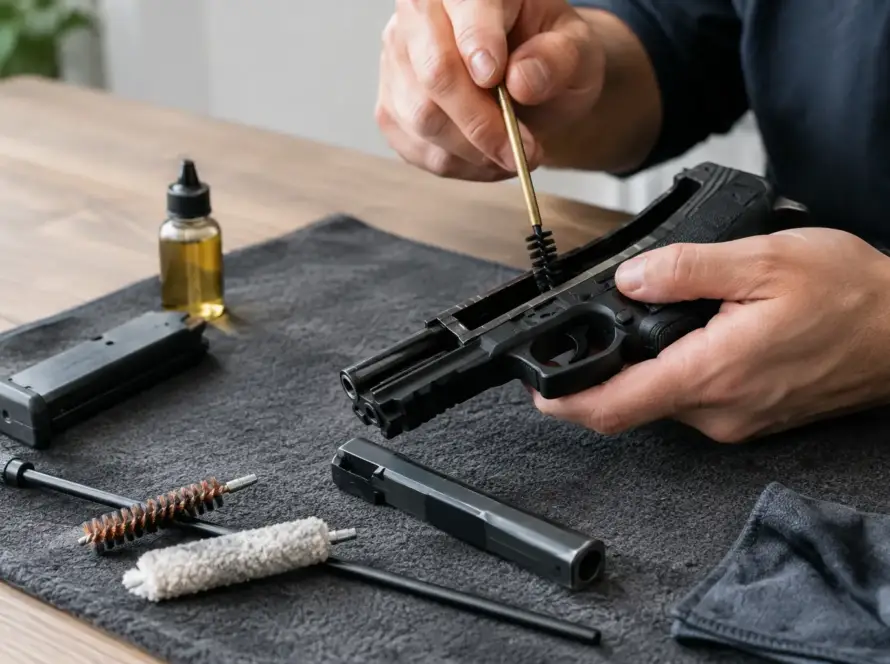
Routine care for a Mossberg 590 is straightforward. After use, follow the manufacturer’s manual for safe unloading, inspection, cleaning, lubrication, and reassembly. Keep the bore, chamber, action bars, and magazine area free of excessive fouling and moisture. Avoid over-lubricating the action, since excess oil can collect debris over time.
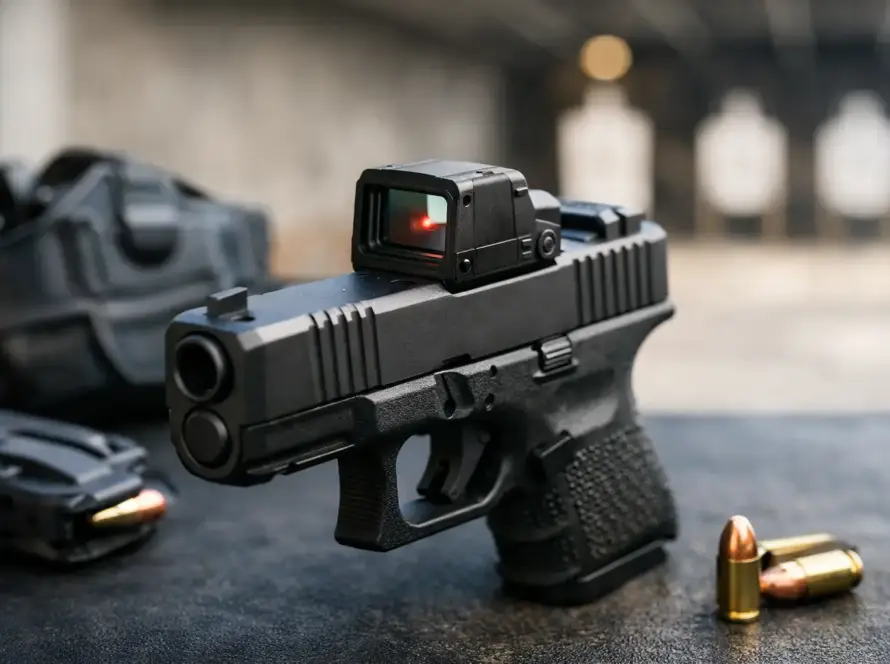
Before every range session, inspect the shotgun for obvious damage, loose fasteners, obstructed bore conditions, and worn or improperly installed accessories. Use ammunition that matches the firearm’s chamber markings and intended application. If anything feels unusual or unsafe, stop using the firearm and have it evaluated by a qualified gunsmith.
Secure storage is not an accessory decision. It is part of ownership. Store the 590 unloaded and secured from unauthorized access, especially where children, visitors, or prohibited persons may be present. A dedicated locking cabinet or safe, combined with sensible ammunition storage practices, protects people and preserves the firearm.
Professional instruction is worthwhile for new pump-shotgun owners and beneficial even for experienced shooters changing platforms. A reputable course can help build safe handling habits, improve recoil management, and identify whether your stock, sights, or configuration actually suit your needs.
Is the Mossberg 590 the Right Choice?
The Mossberg 590 is a strong choice for owners seeking a durable, no-nonsense pump shotgun from an established American manufacturer. Its ambidextrous tang safety, practical control layout, broad configuration range, and established track record make it easy to understand why the platform remains popular.
It is not a one-size-fits-all answer. Buyers wanting a lighter gun, reduced recoil, a refined trigger, or sport-specific handling should compare alternatives before deciding. For the owner who wants a capable 12-gauge, plans to train regularly, and will store it responsibly, the 590 remains a practical platform worth serious consideration.
Before selecting a model, put as much thought into safe storage, fit, and training as you do into barrel length or magazine capacity. Those choices will shape the ownership experience long after the purchase is complete.