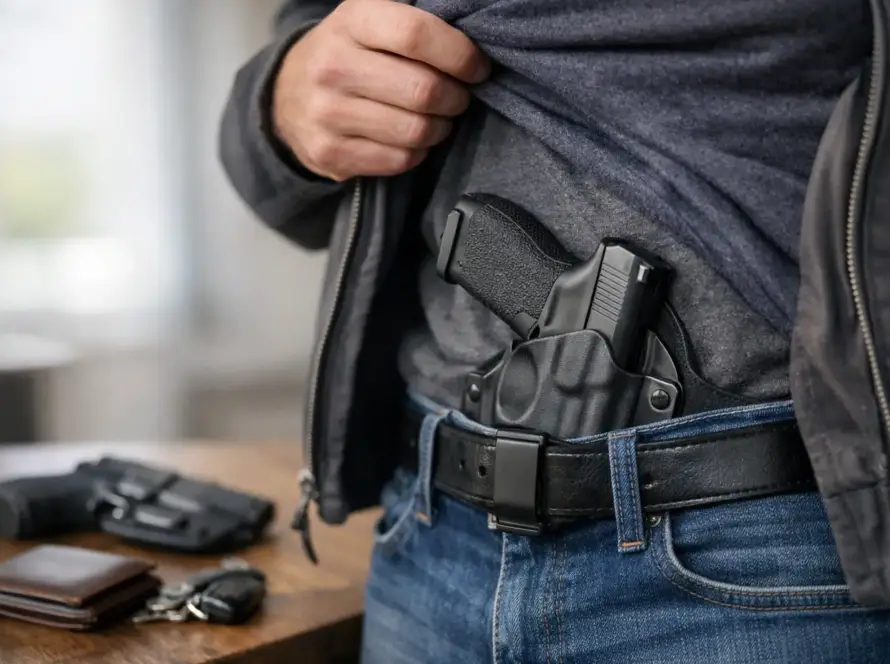
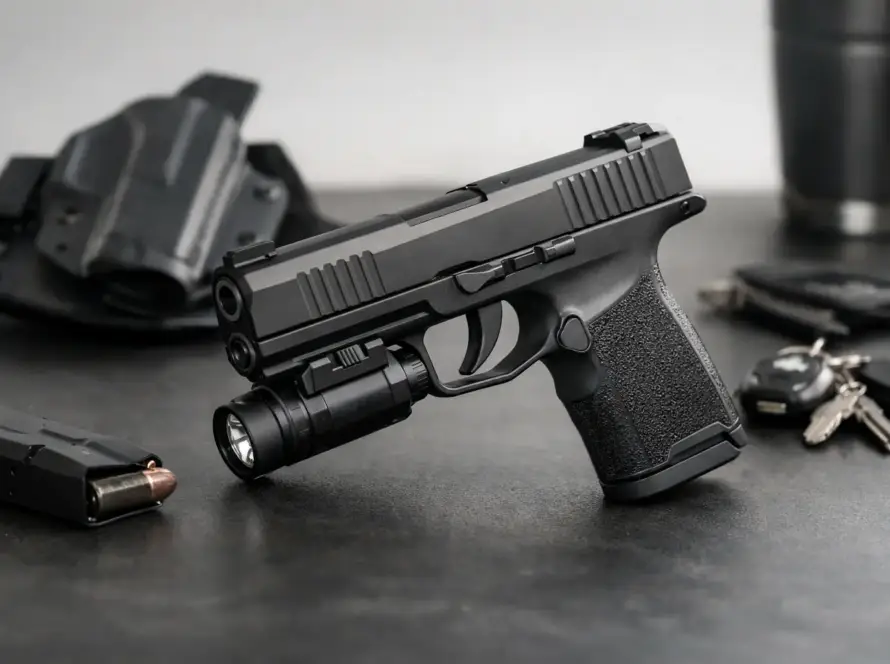
A shotgun that looks great in a product photo can still be the wrong tool when you need it in a dark hallway at 2 a.m. The best shotgun for home defense is not the one with the most accessories or the heaviest payload. It is the one you can run fast, load under stress, control in tight spaces, and trust every time.
That narrows the field quickly. For most buyers, the real choice is not shotgun versus shotgun. It is pump versus semiauto, 12 gauge versus 20 gauge, and full-size versus compact. Get those three decisions right, and the rest becomes easier.
What actually makes the best shotgun for home defense
Home defense puts different demands on a shotgun than hunting or range use. You are not trying to swing through a flying target or carry the gun all day in the field. You need a firearm that stores safely, comes on target quickly, and cycles reliably with defensive loads.
Barrel length matters more than many buyers expect. A long hunting barrel can feel awkward indoors, especially around doorways and furniture. A shorter defensive configuration is usually easier to maneuver and faster to stage. Capacity matters too, but not in isolation. A shotgun with a practical magazine tube, dependable feeding, and controls you can reach is worth more than one extra shell on paper.
Reliability is the hard line. If a shotgun is sensitive to ammo, difficult to load, or prone to short-stroking in a pump gun because of poor technique, it stops being a defensive tool and turns into a range project. That is why proven platforms continue to dominate this category.
Pump or semiauto
A pump shotgun remains the default answer for many experienced shooters because it is simple, durable, and usually more affordable. Models like the Mossberg 590 series and Remington 870 tactical variants have earned their place for a reason. They run a wide range of loads, they are easy to maintain, and parts and accessories are widely available.
The trade-off is user input. A pump requires a full, deliberate stroke every time. Under stress, some shooters short-stroke the action and create their own malfunction. If you train regularly, this may not be a concern. If you want the most forgiving system possible, it can be.
Semiauto shotguns reduce that issue by cycling the action for you. A good semiauto can offer faster follow-up shots, softer felt recoil, and less disruption to your sight picture. That matters in a defensive setting. The downside is cost, along with the fact that some semiautos are pickier about ammunition and maintenance than a quality pump.
For many buyers, the answer is straightforward. If budget, simplicity, and broad ammo compatibility lead your priorities, a pump makes sense. If recoil control and faster operation matter more, and you are willing to spend more for a proven system, a semiauto is a strong choice.
12 gauge or 20 gauge
Most people start with 12 gauge because it dominates the defensive market. Defensive loads are easy to find, gun selection is broad, and the platform has a long record. If you can handle 12 gauge recoil without hesitation, it remains the standard.
But recoil is not a small issue. It affects follow-up shots, confidence, and training volume. A gun that you hate shooting will not get enough practice time, and that matters more than forum opinions. For smaller-framed shooters, newer gun owners, or anyone sensitive to recoil, a 20 gauge can be the smarter buy.
A 20 gauge defensive shotgun gives up some payload, but that does not automatically make it a poor choice. Good shot placement, manageable recoil, and faster recovery can outweigh raw power for many households. The best gauge is the one you can run well with your chosen defensive load.
Features that matter and features that sell
This is where buyers often overspend. Marketing can push a home defense shotgun into the territory of a build project. Some upgrades help. Some just add weight, bulk, and more failure points.
A practical defensive shotgun benefits from a shorter barrel, a usable sighting system, and a stock that fits the shooter. A weapon light is a serious add-on because target identification matters. A side saddle can also be useful if it does not interfere with handling or balance.
On the other hand, oversized furniture, excessive rails, and gimmick attachments can turn a handy gun into an awkward one. Keep the setup lean. Your shotgun should move easily through confined spaces and point naturally from ready position.
Fit is often ignored, but it has a direct effect on performance. If the length of pull is too long, the gun will feel clumsy and slow indoors. If the safety or charging handle placement fights your natural grip, your speed drops. A simple gun that fits you beats a feature-heavy gun that does not.
Top shotgun types worth considering
If you are shopping by category rather than by one exact model, there are a few lanes that consistently make sense.
A pump-action tactical shotgun is still the most practical starting point for many homes. The Mossberg 500, Mossberg 590, and Remington 870 family remain strong because they are proven, easy to support with parts, and available in multiple defensive configurations. If you want value and durability without overcomplicating the purchase, this category is hard to beat.
A semiauto defensive shotgun is a step up in price, but often a step up in shootability. Beretta and Benelli have long set the standard here, and certain Turkish-made options have also gained attention in the value segment. The key is to stay focused on tested reliability rather than chasing the lowest advertised price.
A compact or youth-size shotgun can make sense for some households, especially where fit is the deciding factor. That said, compact should not mean compromised controls or poor recoil management. Shorter stocks are useful. Extremely light guns can become unpleasant fast.
Common mistakes when choosing the best shotgun for home defense
The first mistake is buying based on intimidation factor. A defensive shotgun is not a movie prop. It is a tool. Ignore cosmetic extras and focus on function.
The second mistake is choosing too much gun. Magnum capability sounds appealing until you realize standard defensive loads already deliver serious performance and far better control. You do not need the hardest-kicking setup on the shelf.
The third mistake is treating capacity as the only spec that matters. Capacity is relevant, but loading speed, handling, and reliability matter just as much. A shotgun that balances well and runs cleanly is a better buy than one that advertises one more round but feels sluggish.
The fourth mistake is skipping training. Even the best platform is only as useful as the person behind it. You should know how your shotgun patterns, how it cycles your chosen load, and how to run basic manipulations without searching for controls.
Ammo choice changes the equation
The shotgun itself is only half the system. Your load choice affects recoil, pattern spread, and practical effectiveness. That is one reason broad statements about the best shotgun for home defense can miss the mark. A gun that runs perfectly with one load may not behave the same with another.
Buckshot is the common defensive standard, but patterning is not universal. Different shotguns can throw very different patterns with the same shell. You need to test your setup at realistic in-home distances. The idea that a shotgun spreads so widely indoors that aiming barely matters is flat wrong.
Reduced recoil loads deserve serious consideration. They can improve control and speed while still delivering strong defensive performance. If your shotgun runs them reliably, they are often the better practical choice.
So which shotgun should most buyers choose?
If you want the safest recommendation across price points and experience levels, start with a proven pump-action 12 gauge in a defensive configuration from a trusted maker. That is still the broadest answer for value, reliability, and aftermarket support. A Mossberg 590 or defensive 870-style platform remains the benchmark for a reason.
If recoil management or speed is your top concern and the budget allows, a quality semiauto may be the better fit. It can be easier to shoot well, especially for shooters who struggle with pump technique.
If 12 gauge recoil is a real barrier, do not force it. A 20 gauge that you practice with regularly is a better defensive gun than a 12 gauge you avoid. That is not compromise. That is good equipment selection.
The right answer comes down to fit, action type, recoil tolerance, and how honestly you assess your training habits. Buy a proven platform, keep the configuration practical, and pair it with ammunition your shotgun actually likes. If you are shopping for gear, ammo, and defensive accessories in one place, Guns & Tactics is built for exactly that kind of no-nonsense setup. The best home defense shotgun is the one you can operate cleanly when everything gets loud, fast, and unforgiving.