A home-defense handgun is not a range-counter impulse buy. It is a firearm that may spend most of its life secured, unloaded or stored according to your household plan, and rarely handled outside of training. That makes practical fit, secure storage, lawful ownership, and your ability to operate it safely more valuable than hype, finish color, or the latest accessory package.
When deciding how to choose home defense handgun options, start with the conditions in your own home. Who will have access? Are children, guests, or roommates present? Is the firearm intended for one trained adult or more than one lawful owner? Your answers should shape every decision that follows.
Start With the Non-Negotiables
A defensive firearm is only a responsible choice when it can be kept from unauthorized access and handled safely by its owner. Before comparing models, confirm that you have a secure storage solution ready. A quality quick-access safe, lockbox, or other secure container should fit the handgun you are considering and work with your household rules.
Storage is not an accessory to buy later. It is part of the purchase. Consider where the handgun will be stored, how it will be protected from theft or unauthorized handling, and whether the storage method lets you maintain consistent safe practices. Avoid casual storage locations such as drawers, nightstands without locks, vehicles, or areas accessible to children.
You also need to understand the laws that apply where you live. Federal, state, and local rules can affect eligibility, purchase procedures, transfers, magazine restrictions, required waiting periods, transport, and storage obligations. A federally licensed dealer can help explain the purchase process, but legal questions that are specific to your circumstances should be directed to qualified local authorities or legal counsel.
Fit Comes Before Brand Loyalty
Glock, Sig Sauer, Springfield Armory, Smith & Wesson, Taurus, Canik, and other established manufacturers all offer models that may suit a responsible owner. The right choice is not automatically the most expensive model or the one your shooting partner prefers. It is the one you can safely control, understand, secure, and support with regular training.
Handle several unloaded display models at a reputable dealer when possible. Your grip should allow you to reach the controls without shifting your hand excessively. The frame should feel manageable, and the overall size should not make the firearm awkward to hold or difficult to store securely in your selected safe.
Trigger reach matters. So does the way the slide, magazine release, and other controls operate for your hand size and strength. A handgun that feels uncomfortable at the counter will not become easier to manage simply because it is popular online. If multiple adults in the home may lawfully use the firearm, each person should evaluate fit and complete appropriate training.
Consider Operating System and Controls
Handguns are available with different operating systems and control layouts. Some have external manual safeties, while others rely on internal safety systems and trigger-based designs. Neither format removes the need for disciplined handling, secure storage, and training.
Choose a system you are willing to learn thoroughly and use consistently. Mixing unfamiliar control styles can create confusion, especially for a new owner. Read the manufacturer manual, learn the recommended inspection and maintenance procedures, and seek instruction from a qualified firearms instructor before relying on any handgun for personal protection.
Do not treat a manual safety as a substitute for secure storage or careful handling. Likewise, do not assume a handgun without an external safety is inherently unsuitable. The relevant question is whether you understand its operation, can follow safe handling rules every time, and can keep it inaccessible to unauthorized people.
Choose a Practical Size for Secure Storage and Training
For home use, many buyers look first at full-size or compact handguns. Larger frames may offer a more substantial grip and can be easier for some people to handle during supervised range practice. Compact models can be easier to secure in smaller storage options and may suit owners with smaller hands. There is no universal winner.
Very small handguns are often selected for concealment, which is a different use case from keeping a firearm in secured home storage. Their reduced dimensions can make them less comfortable for some shooters to operate. If the firearm is primarily for the home, prioritize safe handling, fit, and reliable storage over buying the smallest option available.
Weight is another trade-off. A heavier handgun may feel more stable to one person, while another may find it cumbersome. Polymer-frame and metal-frame models each have loyal followings. Handle both if you can, then base the decision on control, comfort, maintenance needs, and long-term confidence rather than internet arguments.
Ammunition Availability Is Part of the Decision
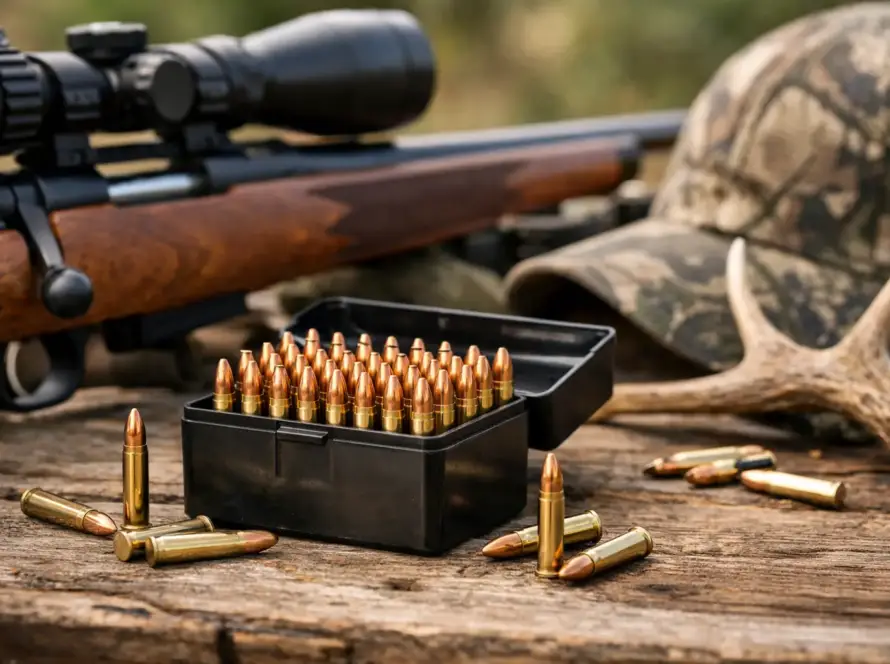
The firearm and its ammunition are a system. Before purchasing, consider whether you can reliably obtain appropriate ammunition for lawful range training and whether the cost fits your ongoing budget. A handgun you cannot afford to practice with is not a strong long-term choice.
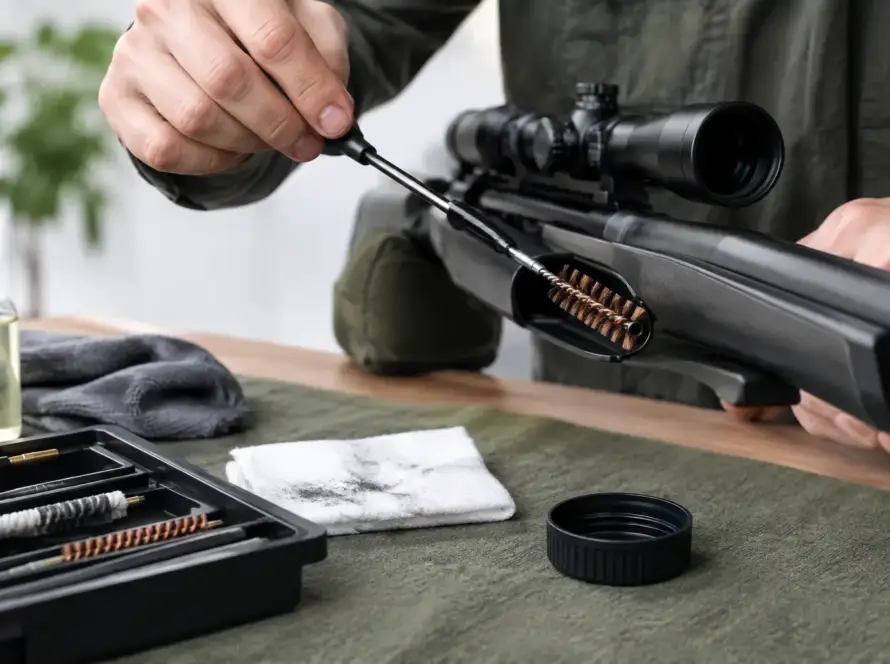
Do not buy a firearm and assume one box of ammunition completes the job. Responsible ownership includes regular, lawful training under controlled conditions. Training ammunition, eye protection, hearing protection, cleaning supplies, and secure storage should all be included in the purchase plan.
For ammunition selection, use the firearm manufacturer’s approved chambering information and follow all instructions in the owner’s manual. If you are new to handguns, a knowledgeable instructor or reputable dealer can help you understand basic terminology and identify compatible factory ammunition. Never use damaged, unknown, or improperly stored ammunition.
Build a Training Plan Before You Buy
A home-defense handgun should come with a training commitment. Start with a basic handgun safety course that covers safe handling, loading and unloading procedures, storage, malfunction awareness, range etiquette, and relevant laws. Look for a qualified instructor with a clear safety record and a course that welcomes questions from new owners.
Training is not a one-time event. Skills fade without practice, and safe habits need reinforcement. Plan for periodic range sessions and dry practice only after receiving proper instruction and confirming the firearm and practice area are completely unloaded. Follow the core firearm safety rules every time: treat every firearm as loaded, keep the muzzle pointed in a safe direction, keep your finger off the trigger until ready to fire, and know your target and what is beyond it.
A good training plan also includes decision-making. Responsible home protection starts with avoidance, de-escalation when possible, contacting emergency services, and knowing what your local laws say about the use of force. A firearm is not a replacement for working locks, exterior lighting, an alarm system, communication with family members, or an emergency plan.
Budget for the Complete Setup
The sticker price of the handgun is only one line item. A realistic purchase plan accounts for the firearm, secure storage, ammunition for lawful practice, cleaning equipment, protective gear, instruction, and any legally required fees or transfer costs.
This is where a value-focused retailer such as Guns & Tactics can help simplify shopping across firearm, ammunition, storage, maintenance, and range categories. Still, resist the temptation to spend the entire budget on the handgun itself while skipping the gear and training that support responsible ownership.
Avoid buying a collection of accessories before you understand what you need. A secure safe and quality hearing and eye protection are more useful early purchases than cosmetic upgrades. Add equipment after you have trained, used the firearm safely at the range, and identified a real need.
A Simple Way to Narrow the Field
When comparing finalists, keep the evaluation practical. Confirm that each model is legal for you to purchase and possess, fits your approved storage solution, feels manageable in your hands, has readily available compatible ammunition, and is supported by a training plan you can maintain. Then compare warranty coverage, local service options, included magazines, and the availability of replacement parts.
Do not rush the decision because a model is discounted or temporarily popular. Sales can be useful, but a home-defense purchase deserves a clear checklist and a calm decision. If you are uncertain between two suitable choices, schedule instruction or rent comparable models at a properly supervised range where permitted.
The best home-defense handgun is the one you can lawfully own, securely store, safely operate, and train with consistently. Start there, keep the system simple, and make every supporting purchase serve the same goal: responsible preparedness at home.