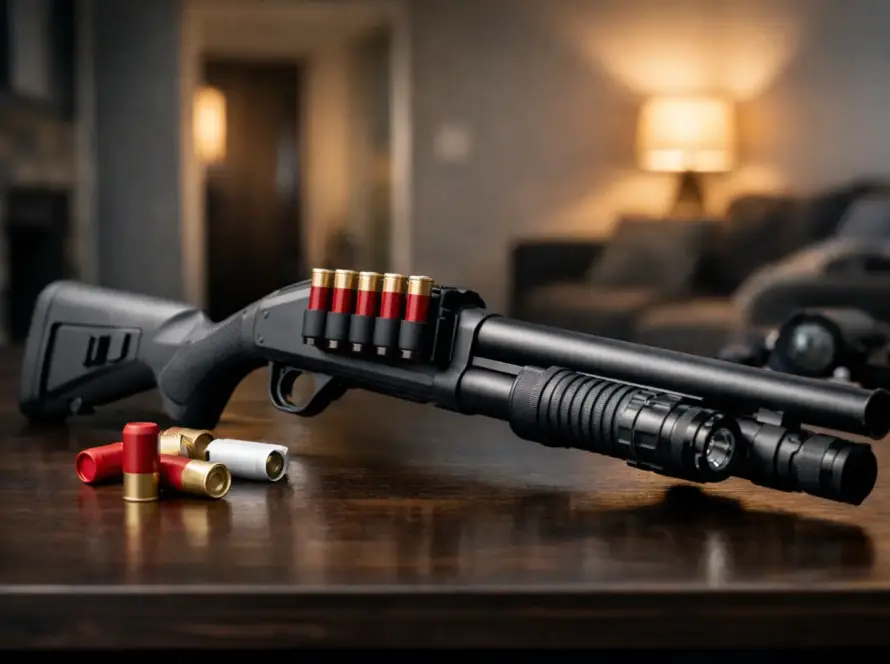
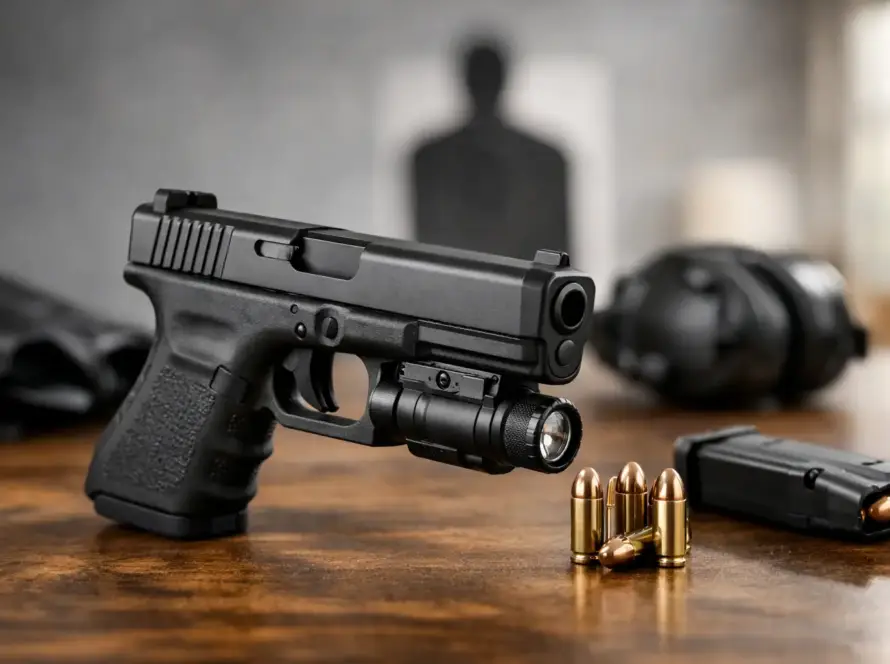
A safe that is too small, poorly placed, or inconvenient to access often becomes a costly compromise. The right gun safes protect firearms from unauthorized access while fitting the way you actually store, transport, and use your equipment. For a home-defense handgun, a bedside quick-access model may make sense. For a growing collection of rifles, optics, ammunition, and documents, a larger anchored cabinet or full-size safe is usually the better long-term purchase.
Secure storage is part of responsible firearm ownership. It also helps protect firearms from theft, keeps access limited to authorized adults, and supports safer households where children or guests may be present. Start with your real inventory and your intended use, then compare safe construction, capacity, locking method, fire protection, and installation requirements before buying.
Start With the Firearms You Own – and Plan to Own
Capacity ratings can be misleading. A safe advertised for 24 long guns may hold far fewer once you account for mounted optics, pistol grips, bipods, slings, and padded cases. Rifles with scopes especially consume more width and depth than a basic rack layout suggests.
A practical rule is to buy more interior capacity than you need today. If you currently own six long guns, a safe rated for 12 to 18 may provide a more usable layout. That additional room can accommodate optics-equipped rifles, handguns stored on door organizers, cleaning equipment, hearing protection, and other range essentials without forcing firearms against one another.
Measure the tallest firearm you intend to store, including mounted optics where applicable. Check the safe’s exterior dimensions as carefully as its interior dimensions. Door swing, handle projection, stairways, elevators, tight hallways, and closet openings can all affect whether the safe can be delivered and installed where you want it.
Compare Gun Safes by Security Level
Not every locked storage product offers the same level of resistance. A basic locking cabinet can help prevent casual access, but it is not equivalent to a heavy, purpose-built safe. The right choice depends on the risk you are addressing, your budget, and where the unit will be installed.
Steel Construction and Door Design
Look beyond a product photo and review the steel thickness, door construction, locking bolts, and hinge design. Heavier steel and a reinforced door generally provide better resistance to forced entry than thin sheet-metal cabinets. External hinges are not automatically a weakness if the door includes fixed locking bolts on the hinge side, but the overall construction still matters.
Pay attention to the lock area. A protected lock housing, anti-pry door design, and multiple live locking bolts add meaningful security. Marketing terms can vary, so compare published specifications rather than relying on broad claims such as “heavy duty” or “tactical.”
For many owners, a quality residential security container offers a sensible balance of theft deterrence, storage capacity, and price. If you have a high-value collection, substantial jewelry or documents to protect, or elevated theft concerns, consider a higher-security safe with independently verified ratings.
Lock Type and Daily Access
Electronic keypad locks are common because they provide fast access and allow the owner to change codes without carrying a physical key. Choose a model with a reliable keypad, clear battery access, and an emergency power procedure described by the manufacturer. Replace batteries on a schedule instead of waiting for a low-battery warning.
Mechanical combination locks have a long service record and do not depend on batteries. They can be a strong option for owners who prefer simplicity and do not need rapid access. The trade-off is slower entry, particularly under stress or in low light.
Biometric locks can be useful on quick-access handgun safes, but fingerprint recognition should be tested with your own hands before relying on it. Dry skin, moisture, dirt, and inconsistent finger placement can affect performance. A dependable backup keypad or mechanical override method is a valuable feature.
Fire and Water Protection
Fire ratings describe how long a safe may protect contents under specific test conditions. A 30-minute rating may be enough for some homes, while a longer rating can be worthwhile where fire response times are less predictable. Remember that a fire rating is not a guarantee that every item inside will survive every fire.
Fire protection also involves trade-offs. Insulation can add weight and cost, and many fire-rated safes are not fully waterproof. If you plan to store paper records, electronics, or other moisture-sensitive items, consider internal document containers rated for those materials. In humid areas, including much of Florida, add a dehumidifier rod or rechargeable desiccant and inspect it regularly.
Choose the Right Safe for the Job
A full-size gun safe is usually the best fit for long guns and larger collections. It provides more room for shelving, door storage, and future purchases, but it requires a stable floor, a suitable delivery path, and a permanent location.
A compact rifle safe works well for a smaller collection, apartment storage, or a dedicated hunting setup. It may not offer the same fire protection or interior organization as a large safe, but it can be easier to position and secure.
Quick-access handgun safes serve a different purpose. They are designed to secure a defensive handgun while keeping it available to an authorized owner. Common locations include a bedroom, office, vehicle, or nightstand. Select a model that can be firmly attached to furniture or structure when possible, and verify that the opening method is intuitive in darkness.
For firearms staged in more than one area, separate secure-storage solutions may be more practical than one oversized safe. The priority is preventing unauthorized access without creating unsafe handling habits or leaving firearms unsecured during routine use.
Installation Is Part of the Security System
A safe is only as secure as its placement and installation. A heavy safe is more difficult to remove, but weight alone should not be your only protection. Whenever the safe and location allow it, anchor it to a concrete floor or structural framing using the manufacturer’s approved hardware and instructions.
Choose a location with discretion and practical access. A garage may offer room for a large safe, but temperature swings, humidity, and visibility can create problems. A climate-controlled interior room is often better for firearm condition and long-term security. Avoid placing a safe where flooding is likely or where heat and moisture are consistently high.
Before installation, confirm the floor can support the loaded weight. The listed product weight does not include firearms, ammunition, accessories, or other stored items. On upper floors, consult a qualified professional if you have concerns about load capacity.
Do not store loose ammunition where it can interfere with firearm access or maintenance. Follow manufacturer guidance, applicable laws, and common-sense separation practices. Keep safe codes private, limit access to trusted authorized adults, and update codes if household circumstances change.
Features Worth Paying For
Interior organization can make a safe easier to use every day. Adjustable shelves, door-panel storage, pistol racks, power ports, and motion-activated lighting are useful when they solve a real storage issue. They should not outweigh core construction quality, lock reliability, and proper anchoring.
A power outlet can support dehumidifiers and lighting, but any cord pass-through should be designed so it does not create an obvious weak point. Door organizers are especially useful for handguns, magazines, documents, and accessories, though they can reduce clearance for rifles stored near the door.
Avoid buying solely on the lowest advertised price. A low-cost cabinet can still be appropriate for basic access control, but it should be purchased with realistic expectations. When theft resistance, fire protection, and collection value are priorities, spending more on construction and installation is often the smarter decision.
Make the Purchase With a Clear Checklist
Before selecting a model, confirm your available floor space, delivery path, firearm dimensions, desired capacity, lock preference, and anchoring plan. Then compare the published specifications side by side. This approach prevents common mistakes such as buying a safe that cannot clear a doorway, cannot hold scoped rifles, or cannot be properly secured in the intended location.
Guns & Tactics customers should also check applicable state and local requirements before purchasing or installing firearm storage. Laws and household responsibilities can differ, particularly when minors or prohibited persons may have access to the home.
A well-chosen safe should feel like a dependable part of your equipment setup, not an obstacle you work around. Pick the level of protection your firearms and household require, install it correctly, and make secure storage a routine that stays effective as your collection changes.