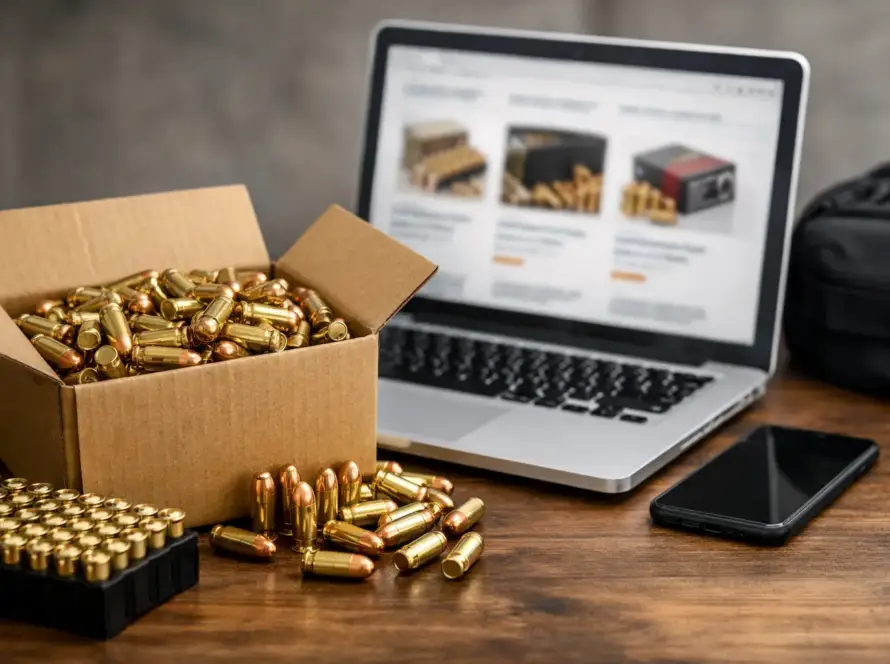
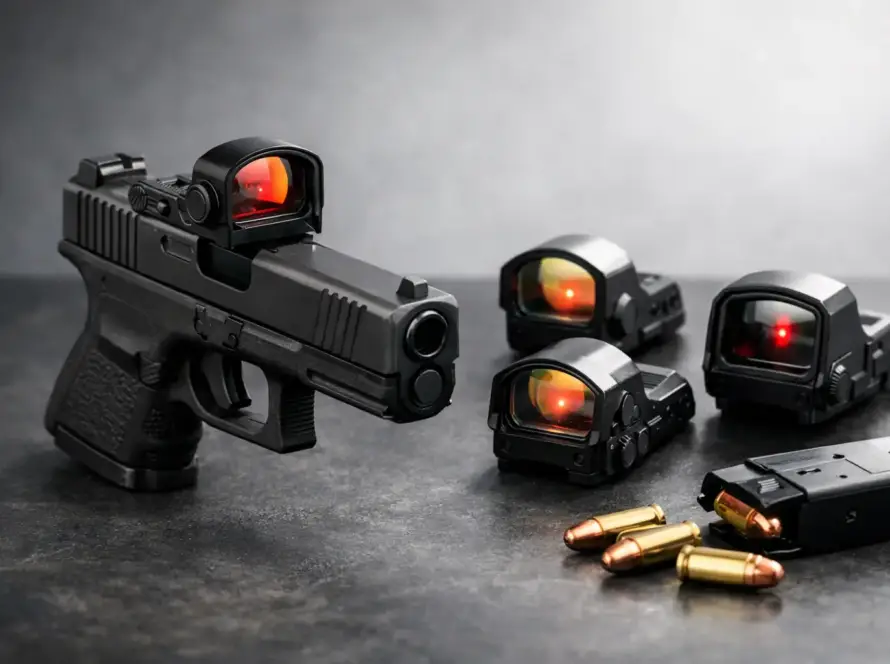
If you’re standing at the ammo shelf or comparing carry pistols, the 9mm vs 45 acp question usually comes down to one thing – what do you need the gun to do, and how often are you going to train with it? That matters more than caliber loyalty, internet arguments, or old-school sayings about stopping power.
Both cartridges are proven. Both have served in defense, duty, and range roles for decades. But they do not give you the same shooting experience, and they do not ask the same trade-offs from the gun, the shooter, or the budget.
9mm vs 45 ACP at a glance
The 9mm is the more efficient choice for most shooters. It generally offers higher magazine capacity, lower recoil, faster follow-up shots, lower ammunition cost, and a wider selection of compact and full-size pistols. If your priority is concealed carry, regular range work, or stacking ammo without spending extra, 9mm usually wins.
The .45 ACP brings a larger, heavier bullet and a different recoil impulse that many experienced shooters still prefer. It is commonly chosen by buyers who want a bigger bore handgun, like the feel of full-size pistols, or simply shoot .45 well and trust it. It gives up capacity and usually costs more per round, but it remains a legitimate defensive caliber.
That is the short version. The real answer depends on recoil control, carry setup, ammo budget, and platform choice.
Recoil and control matter more than caliber debates
This is where many buying decisions should start. Most shooters can run a 9mm faster and with less effort. Recoil is lighter, muzzle rise is more manageable, and long range sessions are easier on the hands. In practical terms, that often means better accuracy under speed and better consistency for newer or intermediate shooters.
The .45 ACP does not necessarily feel violent, but it pushes more. In steel-frame pistols, that push can feel smooth. In lighter polymer handguns, it can feel slower and heavier in the hand, especially during rapid strings. Some shooters like that impulse. Others notice that their split times open up and their sights take longer to settle.
If you’re buying for personal defense, this is not a minor point. A caliber you can control cleanly under pressure is usually the better choice than a larger caliber you shoot less confidently.
Capacity is a real advantage for 9mm
Magazine capacity is one of the clearest reasons many buyers land on 9mm. In similarly sized handguns, 9mm almost always gives you more rounds onboard. That can mean a slimmer concealed carry gun with useful capacity, or a duty-size pistol with a substantial round count before reloads matter.
By contrast, .45 ACP pistols generally carry fewer rounds because the cartridge is wider and takes up more space in the magazine. That does not make .45 obsolete. It just means the platform asks for a compromise. If you want a larger bullet, you are usually accepting less capacity and often a larger grip.
For concealed carry, that trade-off is hard to ignore. More rounds in a smaller gun is a strong practical advantage, especially for everyday carry.
Ammo cost changes how much you actually train
A lot of caliber talk skips the obvious point – the cheaper cartridge usually gets shot more. For most buyers, 9mm is easier to stock, easier to find in volume, and less expensive than .45 ACP. That price difference adds up fast if you shoot regularly.
More affordable ammo means more practice, more reps from the holster, more drills, and less hesitation about burning through a case at the range. For a defensive handgun, those repetitions matter more than caliber theory.
.45 ACP is usually the more expensive habit. If that does not affect your buying patterns, fine. But if your training budget is fixed, 9mm often gives you more value per trip and more room to train with both practice and defensive loads.
Terminal performance is not the old debate it used to be
For years, the 9mm vs 45 acp discussion was dominated by bigger bullet versus higher capacity. Modern defensive ammunition narrowed that gap. Quality 9mm hollow points perform far better than many older loads did, and that changed the conversation.
With good modern defensive ammo, 9mm has become the standard choice for many law enforcement agencies and armed citizens because it balances penetration, expansion, controllability, and capacity well. That does not mean .45 ACP stopped working. It means the practical difference in real-world defensive use is smaller than caliber loyalists often claim.
The important qualifier is ammunition quality. Cheap ball ammo and premium defensive hollow points are not the same conversation. If the pistol is for defense, reliable function with a proven load matters more than caliber chest-thumping.
Gun size, carry comfort, and platform availability
The cartridge affects the pistol. That sounds obvious, but it is where many buyers feel the difference immediately.
9mm handguns are available in almost every format – micro-compact, slim carry, compact, duty-size, competition-ready, and home-defense configurations with optics cuts, rail space, and broad magazine support. If you want options, 9mm gives you the deepest bench.
.45 ACP is still widely supported, especially in 1911s and full-size striker-fired pistols, but the selection narrows faster once you get into smaller carry guns. The guns are often thicker, heavier, or lower in capacity. For some buyers that is fine, especially if the pistol lives in a duty holster, bedside setup, or range bag. For everyday concealed carry, it can be harder to justify.
Hand size matters here too. A double-stack .45 can feel large in the grip, while a compact 9mm may fit a wider range of shooters better. If the gun does not fit your hand well, everything gets harder – trigger press, recoil control, reloads, and consistency.
When 9mm makes the most sense
For most shoppers, 9mm is the default answer because it covers more roles with fewer compromises. It works well for first-time handgun buyers, regular range shooters, concealed carriers, and anyone who wants one pistol to handle defense and training without driving up ammo cost.
It is also the easier caliber for high-volume shooting. If you train often, run classes, or want to keep spare magazines loaded without spending extra on every range trip, 9mm is the more efficient system. That is why it dominates the modern handgun market.
If you are buying a handgun primarily for carry or all-around use, 9mm is usually the better starting point.
When .45 ACP still earns its place
The .45 ACP still makes sense for a specific type of buyer. If you prefer larger-bore handguns, already own .45 platforms, or shoot a full-size .45 with confidence and consistency, there is no need to talk yourself out of it. Plenty of experienced shooters remain effective with the caliber because they know the gun, train with it, and accept the trade-offs.
It also has strong appeal for 1911 owners and for shooters who simply like the way .45 performs in larger pistols. Not every purchasing decision has to be optimized around lowest recoil and maximum capacity. If the platform fits your hand, you can run it well, and you are willing to pay more for ammo, .45 ACP is still a serious choice.
The key is honesty. If you shoot it less because it costs more, carry it less because it is heavier, or struggle to control it under speed, then the caliber may be winning the argument while losing the job.
Which should you buy?
If you are choosing one handgun caliber for carry, defense, and regular training, buy 9mm. It gives you better capacity, lower cost, easier recoil management, and the broadest handgun selection on the market. For the majority of shooters, that translates into better practice habits and better performance.
If you already know you shoot .45 ACP well, prefer full-size pistols, and want a bigger bore handgun despite the added cost and reduced capacity, buy the .45 with clear expectations. It is not outdated. It is just less forgiving as an all-around choice.
The smart buy is not the caliber with the loudest fan base. It is the one you will carry, feed, and train with consistently. If you are shopping handguns, magazines, and range ammo, keep the whole setup in mind – not just the number on the box.