A gun safe is not just another accessory purchase. It is the storage decision that affects unauthorized access, fire exposure, daily convenience, and how well your firearms stay protected over time. Knowing how to choose a gun safe starts with an honest look at what you own, where it will be installed, and the level of security your household needs.
The right safe should fit your firearms without being difficult to access or maintain. It should also match your home layout and budget without relying on marketing labels alone. Capacity numbers, fire ratings, lock types, steel thickness, and installation methods all matter.
How to Choose a Gun Safe Based on What You Own
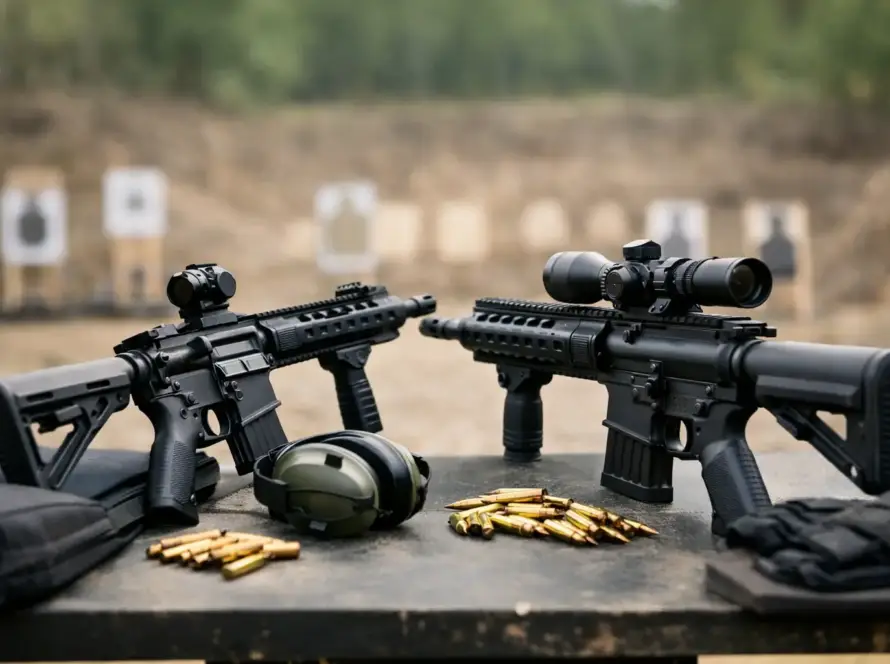
Start by counting what needs to be secured today, then plan for what you may own later. A safe advertised for 24 long guns rarely stores 24 scoped rifles comfortably. Optics, pistol grips, slings, magazine extensions, and adjustable stocks take up more room than the manufacturer’s basic rack count suggests.
For most owners, buying one size larger than the immediate need is the practical choice. A safe that holds 10 long guns on paper may be a better real-world fit for five or six rifles with optics, a few handguns, ammunition stored separately where appropriate, documents, and other valuables.
Measure your longest firearm before shopping. Account for the interior height needed for a rifle with an optic and avoid assuming that every long gun will fit upright. If you own a short-barreled rifle, shotgun, or compact firearm, interior configurations with adjustable shelves may offer better use of space than a fixed long-gun rack.
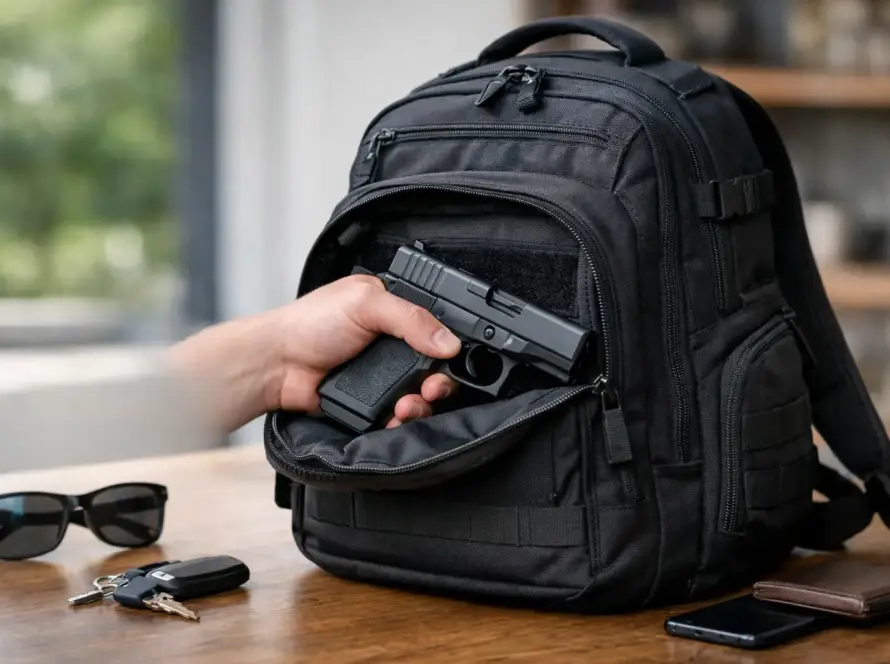
Handgun owners should also consider access needs. A full-size gun safe provides broad storage and added fire protection, but it may not be the right solution for a defensive handgun that must be secured and accessible quickly. A dedicated quick-access handgun safe can complement a larger safe when it is installed responsibly and used according to its instructions.
Evaluate Security Beyond the Door Lock
A gun safe’s lock is only one part of its security. The body construction, door design, locking bolts, bolt work, and installation method determine how well it resists forced entry. A heavy door can look impressive, but the safe should also have solid steel construction around the sides, back, and top.
Pay attention to the gauge of the steel used in the body and door. Lower gauge numbers generally indicate thicker steel. Thicker steel adds weight and can improve resistance to prying and cutting, though it also raises the price and makes delivery more demanding. For firearms stored in a ground-floor home, a heavier safe that is properly anchored is generally a stronger choice than a lightweight cabinet.
Do not confuse a security cabinet with a gun safe. A cabinet can help deter casual access and organize firearms, but it typically provides less protection against theft, prying, and fire. It may be suitable in limited situations, but firearm owners seeking meaningful security should compare construction details rather than shop by appearance.
Look for these features when comparing safes:
- A formed steel door with a reinforced frame
- Locking bolts on multiple sides of the door
- Internal hinges or pry-resistant door edges
- Pre-drilled anchor holes and appropriate hardware
- A listed burglary rating when a higher level of protection is needed
Ratings deserve careful reading. A Residential Security Container, often called an RSC, meets a defined minimum standard for resisting common hand tools during a timed test. It is not the same as a commercial burglary-rated safe. For many residential owners, a quality RSC that is bolted down and placed intelligently offers a practical balance of cost, weight, and protection. Owners storing high-value collections may need a safe with stronger verified burglary ratings and professional installation.
Choose a Lock That Fits Your Routine
Electronic locks, mechanical combination locks, and biometric locks each involve trade-offs. There is no universal best option because access habits, household needs, and maintenance preferences vary.
Electronic keypad locks are common because they are fast and easy to use. A quality electronic lock lets you change codes without calling a locksmith and avoids the need to keep track of a physical key. Check battery access before buying. Ideally, the battery compartment is accessible from outside the safe, so a dead battery does not create an unnecessary problem.
Mechanical combination locks have a long service history and do not rely on batteries. They are a good fit for owners who prioritize simplicity and are comfortable taking a little longer to open the safe. The trade-off is slower entry, particularly when you need to open the safe frequently.
Biometric locks can offer convenient access on smaller handgun safes, but fingerprint performance can vary with sensor quality, dirty hands, moisture, and user positioning. Treat biometric access as a feature to test, not as a reason to skip a dependable keypad or override method. Store backup access information securely and away from the safe.
Understand Fire Protection and Its Limits
Fire ratings can be useful, but they should not be treated as a guarantee that every item inside will survive a house fire. A fire rating generally indicates how long the safe’s interior stayed below a specific temperature during a controlled test. Test standards and manufacturers’ claims can differ, so compare ratings carefully.
For firearms, a reasonable fire rating adds valuable protection. For paper documents and valuables, interior temperature matters even more. Electronic media may require separate protection because it can be damaged at temperatures lower than paper documents can withstand.
Higher fire ratings often mean more insulation and a heavier safe. That can be worthwhile, but it may reduce interior space and increase the challenge of moving the unit into place. Consider your local risk factors, home construction, and whether the safe will be placed near likely fire hazards. A safe installed in a garage may face different temperature swings and fire exposure than one placed in a climate-controlled interior room.
Plan the Location Before You Buy
Measure the route from the delivery point to the final location. Include exterior doors, hallways, stairways, turns, floor transitions, and the room itself. A safe that fits the intended wall space may still be impossible to move through a narrow hallway or up a staircase without special equipment.
The installation location should balance discretion, structural support, humidity control, and accessibility. Ground-floor placement is often easier because of the safe’s weight. If you place it above ground level, verify that the floor can support the loaded weight. A professional installer can help evaluate difficult locations.
Avoid areas with persistent moisture. In Florida and other humid climates, moisture control is a major part of firearm storage. Use a dehumidifier designed for safes, desiccant where appropriate, and regular inspections for corrosion. Firearms should be clean, lightly protected according to manufacturer guidance, and never placed in the safe wet from rain or condensation.
Anchoring is a key step. Even a heavy safe can be removed or tipped if it is not secured. Bolt the safe to a suitable concrete or wood structure using the manufacturer’s recommended method and hardware. Anchoring also makes pry attacks more difficult and improves stability when the door is open.
Consider Interior Layout and Everyday Use
A safe should work with your actual storage habits. Adjustable shelving, door organizers, pistol racks, and modular interiors make a meaningful difference once firearms, accessories, documents, and optics cases begin competing for space.
Check whether shelves are strong enough for ammunition, but consider storing significant quantities of ammunition according to applicable guidance and away from conditions that could create unnecessary risk. Keep your safe organized so firearms do not contact each other, optics are protected, and you can quickly see when maintenance is needed.
Interior lighting is convenient, especially in larger safes, but it is not a substitute for a well-designed layout. Choose an interior that lets you access each firearm without removing several others first. That reduces handling and supports safer storage practices.
Set a Budget Around Protection, Not Just Capacity
Price often reflects steel thickness, lock quality, verified ratings, fire protection, interior design, and shipping weight. A low-cost safe can be appropriate for basic storage needs, but it may not provide the theft or fire resistance expected from a higher-grade unit.
Include delivery, installation, anchoring, humidity control, and any electrical setup in your budget. These are not optional afterthoughts. A well-built safe that cannot be properly installed is not delivering its full value.
Before buying, review local and state storage requirements that may apply to your circumstances, especially if children, prohibited persons, or other unauthorized individuals could access the home. Secure storage is both a practical safety measure and a core part of responsible firearm ownership.
Choose the safe that gives your firearms room to grow, uses security features you will actually maintain, and can be installed correctly in your home. The best purchase is the one that stays dependable long after the initial setup.