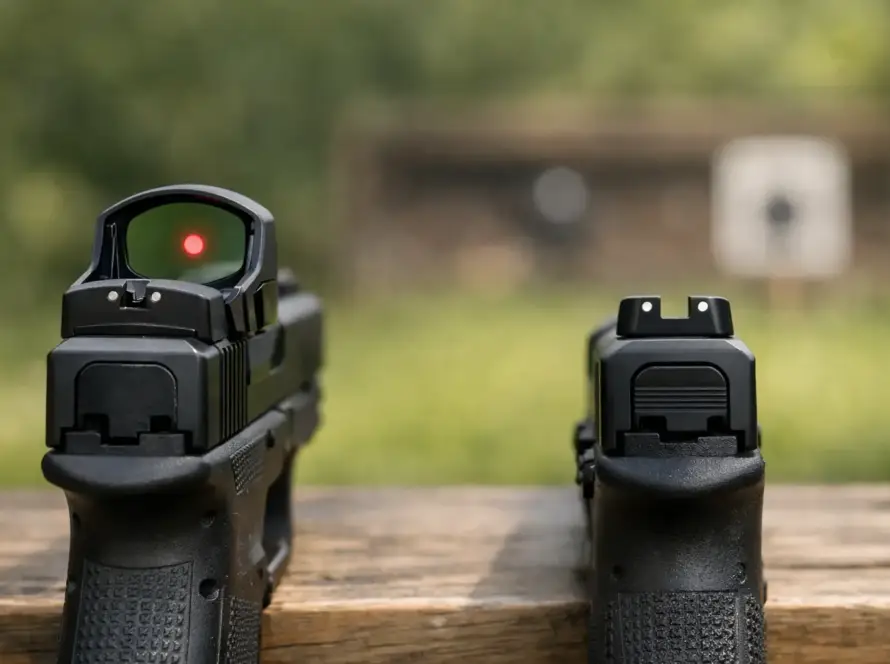
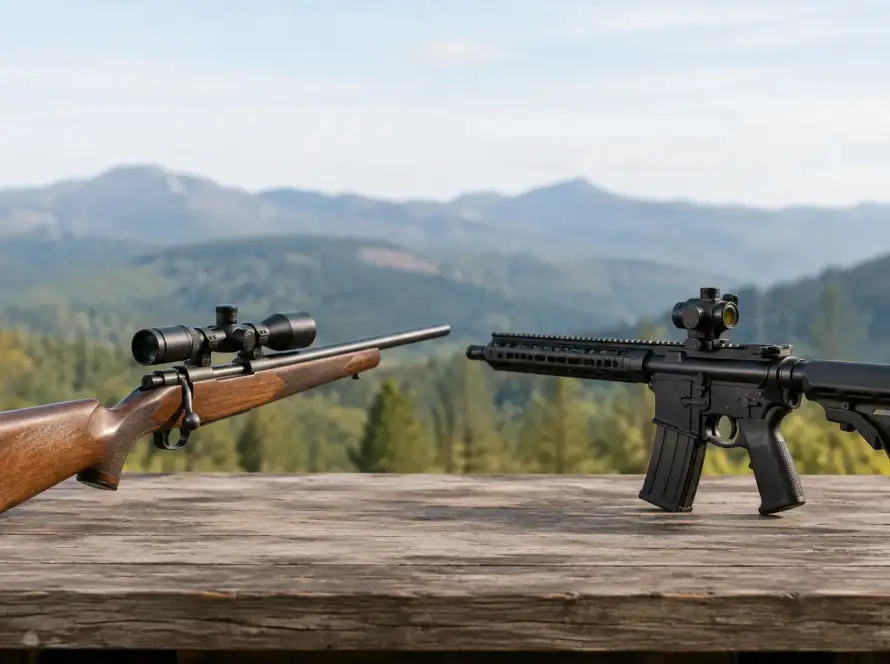
A box of ammunition found in a closet, range bag, or inherited collection can raise a reasonable question: how long does ammo last? The short answer is that quality factory ammunition can remain reliable for decades when it is kept dry, protected from temperature extremes, and stored in good condition. Ammunition does not carry a simple expiration date, but poor storage can shorten its useful life quickly.
For range practice, hunting, home-defense planning, or maintaining a reserve supply, storage conditions matter more than the calendar. A cartridge that has spent 20 years in a dry, climate-controlled safe may be in better condition than a newer box left in a humid garage for one summer.
How Long Does Ammo Last in Proper Storage?
Modern centerfire and rimfire ammunition is built for durability. When factory-loaded ammunition stays sealed, dry, and reasonably cool, it can commonly last for several decades. Many shooters safely use older ammunition that has been stored correctly, although age alone never guarantees performance.
The components inside a cartridge are stable when protected. The bullet is generally not the concern. The greater risks are moisture, corrosion, compromised primers, damaged cases, and contamination from oils or solvents. Those problems are usually tied to where and how the ammunition was stored, not simply its manufacturing date.
There is no universal service-life number for every caliber, load, or storage environment. Ammunition kept in its original packaging inside a sealed ammo can with a good gasket, placed in a dry interior location, has a far better outlook than loose cartridges stored in a damp shed, vehicle, or unconditioned Florida garage.
What Shortens Ammunition Shelf Life?
Humidity is ammunition’s most persistent enemy. Moisture can corrode brass cases, steel cases, bullets, and primer areas. It can also damage cardboard packaging and allow cartridges to sit against damp surfaces. Coastal areas and high-humidity climates deserve extra attention, especially when ammunition is stored outside the main living area.
Heat is another concern. Brief exposure to normal warm weather is not the same as long-term storage in an overheated car, attic, or metal storage unit. Repeated high temperatures can degrade packaging and create unnecessary stress on ammunition components. Store ammunition in a cool, stable environment whenever possible.
Physical damage also matters. Dropped, crushed, deeply scratched, or heavily corroded cartridges should not be treated as routine range ammunition. A cartridge with a damaged case, pushed-in bullet, loose bullet, visible corrosion, or unknown history deserves caution. Do not attempt to repair damaged ammunition or use it to save a few dollars.
Exposure to oils, cleaning solvents, and penetrating fluids can create problems as well. Keep ammunition separate from firearm-cleaning supplies. A leaking bottle in a range bag or storage tote can contaminate cartridges and compromise reliability.
The Best Way to Store Ammunition
A practical ammunition setup does not need to be complicated. The goal is simple: keep cartridges dry, organized, secure, and protected from damage.
Start with original factory boxes when available. The boxes help identify caliber, bullet weight, load type, and lot information. They also prevent loose cartridges from contacting each other or becoming mixed with another caliber. Mixing ammunition types is a preventable safety problem, particularly for owners with multiple firearms or similar-looking cartridges.
For long-term storage, use quality ammo cans or sealed storage containers with intact gaskets. Metal and polymer cans can both work well when they close securely and are stored indoors. Add appropriately sized desiccant packs to help manage moisture, and replace or recharge them according to the product instructions.
Choose a dry interior location away from direct sunlight, plumbing leaks, exterior walls that sweat, and major temperature swings. A locked cabinet, security cabinet, or safe may be appropriate depending on your household, local requirements, and the level of access control needed. Store ammunition separately from firearms when that arrangement best supports safe access and responsible household storage.
Avoid storing loose ammunition in pockets, center consoles, toolboxes, or the bottom of a range bag for long periods. Those locations invite moisture, dirt, impact damage, and missing caliber information. Range bags are useful for transport, but they are rarely the best long-term storage solution.
Should You Rotate Your Ammunition?
For standard range ammunition, rotation is mostly about organization. Use older, properly stored practice ammunition first and replace it with fresh inventory as needed. Label storage containers by caliber and, if useful, by purchase date or intended purpose. This makes it easier to inspect stock and prevents forgotten boxes from accumulating in unsuitable locations.
Defensive ammunition deserves a more deliberate approach. Carry ammunition can be exposed to sweat, lint, repeated chambering, moisture, and daily movement. Inspect it regularly for corrosion or bullet setback, and follow the firearm manufacturer’s guidance. Many responsible owners periodically replace carry ammunition and use the older, still serviceable cartridges for range verification where lawful and appropriate.
Ammunition loaded in magazines should also be checked as part of normal equipment maintenance. The concern is generally environmental exposure and cartridge condition, not a fixed rule that ammunition automatically becomes unusable after a certain number of months. Keep magazines clean, dry, and properly maintained.
How to Inspect Older Ammunition
Before using older ammunition, inspect it under good lighting. Look for green, white, red, or heavy brown corrosion; cracked cases; dents that could affect chambering; loose or seated-too-deep bullets; and any signs of oil, water, or chemical exposure. Confirm that the cartridge markings and packaging match the firearm you plan to use.
Light surface discoloration on brass is not always a reason to discard a cartridge, but visible corrosion calls for a more conservative decision. When condition is uncertain, do not rely on the ammunition for hunting, defensive use, or an important training event. Replace questionable ammunition with quality, factory-new loads from a trusted source.
If you experience a click instead of a normal discharge, keep the firearm pointed in a safe direction and follow the firearm manufacturer’s instructions for a possible misfire or delayed ignition. Do not immediately open the action or look down the barrel. Safe handling procedures and proper training matter more than trying to diagnose an old cartridge on the spot.
When Should Ammunition Be Discarded?
Discard ammunition if it is heavily corroded, water-damaged, contaminated by chemicals, crushed, cracked, or otherwise visibly compromised. The same applies to cartridges of unknown caliber, unknown origin, or questionable reloads. Do not place live ammunition in household trash, burn it, or attempt to pull it apart unless you are properly trained and equipped to do so.
Disposal procedures vary by area. Contact a local law-enforcement agency, hazardous-waste program, range, or ammunition retailer to ask about accepted options before transporting unwanted ammunition. Follow all local rules and transport requirements.
Does sealed ammunition last longer?
Factory-sealed packaging helps protect ammunition from handling, dust, and minor moisture exposure, but it is not a substitute for proper storage. A sealed box still needs a dry, temperature-stable location. Once opened, ammunition can remain serviceable for many years when it is returned to a secure, moisture-controlled container.
Can ammo go bad in a gun safe?
It can, particularly if the safe is located in a humid garage, basement, or outbuilding. A safe provides security, but it does not automatically control moisture. Use desiccant, inspect for condensation or corrosion, and keep the safe in the most stable indoor environment available.
Is old military surplus ammo safe to shoot?
Some surplus ammunition is reliable, while some has uncertain storage history or may use corrosive primers. Verify the caliber, condition, and source before use. If you are unsure about its age, primer type, storage history, or compatibility with your firearm, choose current factory ammunition instead.
Reliable ammunition starts with quality manufacturing and ends with responsible storage. Keep it dry, clearly labeled, secured from unauthorized access, and inspected before use, and your supply will be ready when the range day or hunting trip arrives.