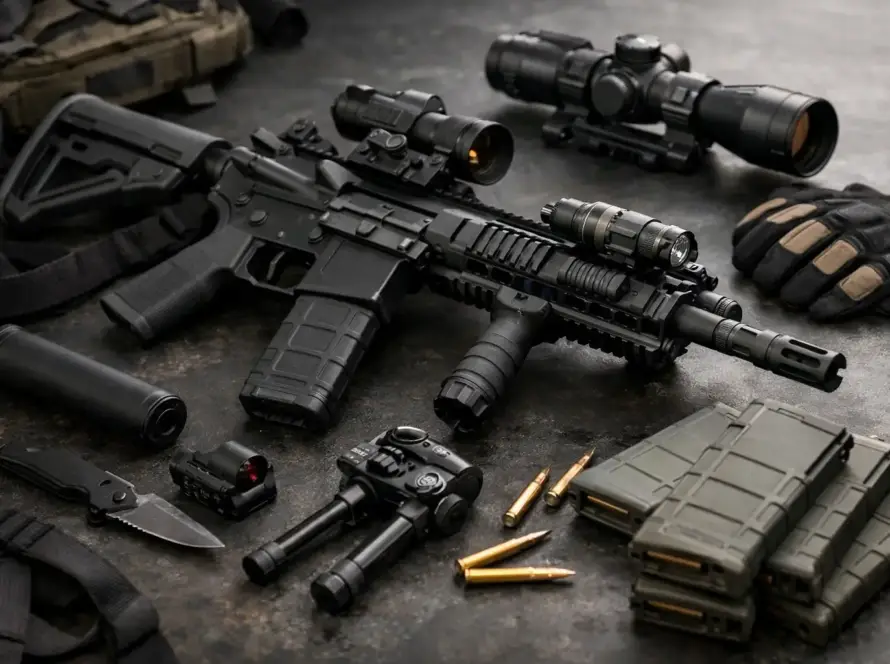
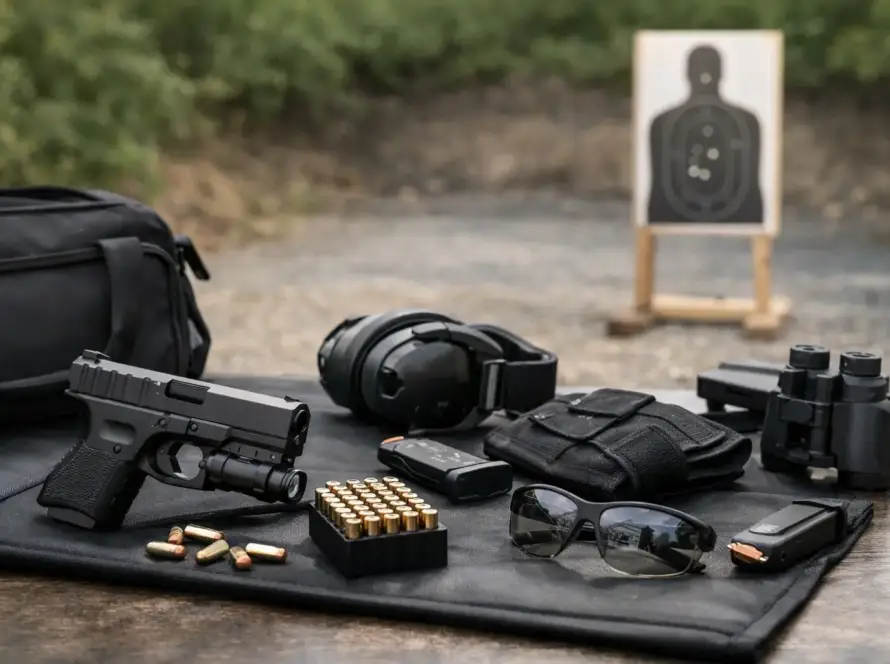
A pistol light is not a universal upgrade. The best pistol weapon light is the one that fits your handgun correctly, works with your holster, provides dependable illumination, and can be operated without compromising safe firearm handling. Buying the brightest model on the shelf without checking those details can leave you with an expensive accessory that does not suit your setup.
For home-defense handguns, duty-style pistols, and range firearms, a weapon-mounted light can help identify what is in front of you in low-light conditions. It is not a substitute for training, a handheld flashlight, or sound judgment. Responsible use starts with keeping your finger off the trigger until you have made the decision to fire and never using a firearm-mounted light as a general-purpose flashlight.
What Makes a Pistol Weapon Light Worth Buying
A quality pistol light has to do several jobs at once. It must mount securely, survive recoil, keep its lens and controls functional through regular use, and provide a beam pattern that makes sense at realistic handgun distances. Brand reputation matters, but fit and use case should drive the purchase.
Start With Rail and Pistol Compatibility
Most full-size and compact handguns use a Picatinny-style or proprietary accessory rail, but rails are not all identical. Confirm that the light includes the correct rail key or mounting hardware for your specific pistol. A light that shifts under recoil, extends too far past the muzzle, or cannot be tightened correctly is not the right choice.
Check the manufacturer’s compatibility information for your firearm model before ordering. This is especially important with compact pistols, slim-frame handguns, and models with shorter rail sections. Some compact lights fit a broad range of pistols, while larger models are designed around full-size frames.
Brightness Is Only Part of the Equation
Lumen ratings are useful, but they do not tell the full story. A higher-output light can provide a more intense beam and better performance around outdoor barriers or in larger spaces. It can also create more reflected light from white walls, close surfaces, smoke, or light-colored interiors.
Candela, which indicates beam intensity, helps explain how far and how tightly a light projects. A broad flood beam is useful for seeing more of a room or workspace. A concentrated hotspot can be better for longer distances and for cutting through ambient light. Most handgun owners need a balanced beam rather than the highest possible number in either category.
For typical indoor and close-range use, a proven light in the roughly 500- to 1,000-lumen class is often more than sufficient. The right choice depends on the spaces where you train and the handgun’s intended role.
Controls Must Work With Your Grip
Momentary activation and constant-on modes should be easy to reach from a safe, consistent shooting grip. Many popular lights use ambidextrous paddle switches that can be pressed from either side of the pistol. Others offer interchangeable switch paddles or different activation options.
Do not assume a control layout will work well because it looks simple in photos. If possible, handle the light on a comparable unloaded firearm at a retail counter or range. Make sure you can activate it without changing your grip excessively or placing a finger near the trigger guard in an unsafe manner.
Best Pistol Weapon Light Options by Handgun Setup
There is no single model that is right for every owner, but several product families have earned strong reputations for mounting security, durability, holster availability, and support.
Full-Size Pistols: SureFire X300 Series
The SureFire X300 series remains a common choice for full-size defensive, duty, and competition-oriented handguns. These lights are known for durable construction, strong beam intensity, and wide holster support. Their longer body and forward placement suit pistols such as full-size Glock, SIG Sauer, Beretta, FN, and Smith & Wesson models with adequate rail space.
The trade-off is size and cost. An X300-series light can add noticeable length and weight to the front of a handgun, and it is generally more expensive than compact options. For a full-size pistol that will stay in a dedicated light-bearing holster, those compromises are often reasonable.
Value-Focused Full-Size Choice: Streamlight TLR-1 HL
The Streamlight TLR-1 HL is a practical option for owners who want substantial output and a proven mounting system without moving into premium pricing. It is widely used on full-size handguns and supported by a large selection of holsters. Its profile is suited to home-defense pistols, range guns, and larger carry setups where concealment is not the primary concern.
Before buying, verify rail-key selection and current specifications for the exact model. Streamlight has produced several versions and updates across its product line, so output, battery configuration, and dimensions can vary.
Compact Pistols: Streamlight TLR-7 Series
For many compact handguns, the Streamlight TLR-7 family offers a better proportion than a full-size light. These models are designed to keep bulk manageable while still providing useful illumination and common holster compatibility. Different versions are available for specific firearms and rail styles, including options made around particular Glock or SIG Sauer configurations.
The shorter runtime and lower overall output compared with a larger light are the expected trade-offs. For a compact pistol, however, a light that fits cleanly and can be carried in a quality holster is usually a better purchase than an oversized model chosen only for its lumen rating.
Compact Premium Alternative: SureFire XSC
The SureFire XSC is built for select slim and compact pistols where a standard rail-mounted light may be too large or incompatible. Its compact form and rechargeable power system can make sense for certain carry-oriented firearm models.
This is a purpose-built option, not a universal solution. Check exact handgun compatibility, charging requirements, and holster support before committing. A specialized light can be excellent on the correct pistol and impractical on anything else.
Holster Support Is a Purchase Requirement
A pistol light changes the shape of the firearm, which means a standard holster will usually not fit safely. Buy a holster made for the exact handgun and light combination, not just one labeled for a similar pistol or a generic light-bearing profile.
Retention should engage the firearm correctly and keep the trigger guard fully covered. The holster should also allow a safe, consistent draw without the light body catching on the material. For concealed carry, account for added width, muzzle length, and the possibility that the setup may require a different belt or carry position.
Holster availability is one reason established lights often remain popular. A less common model may have impressive specifications but limited support from reputable holster manufacturers.
Battery Type, Runtime, and Maintenance
Battery choices affect both convenience and readiness. CR123A-powered lights are common in higher-output models, offer good shelf life, and are easy to replace. Rechargeable systems reduce the need to keep disposable cells on hand, but they require a routine for charging and checking power.
Whichever system you choose, use quality batteries from a reputable source and follow the light manufacturer’s instructions. Avoid mixing old and new cells or different battery brands in the same light. Inspect the lens, mounting hardware, and battery compartment after range sessions, especially if the pistol sees frequent use or is carried in humid conditions.
A light should be tested periodically, not merely stored on the handgun. Confirm that the mount remains tight, the switches operate as expected, and the beam activates consistently. Replace batteries or recharge the unit before they become a question mark.
Choose for the Firearm You Actually Use
The best pistol weapon light for a bedside full-size handgun may be too large for a compact carry pistol. The ideal range setup may not have the holster support or battery system you want for daily carry. Define the firearm’s role first, then choose a light around fit, output, controls, power source, and holster compatibility.
Buy the light that supports safe handling and regular training, then spend time learning its controls with an unloaded firearm in a safe direction. Reliable equipment matters, but familiarity with the equipment is what makes it useful when light is limited.