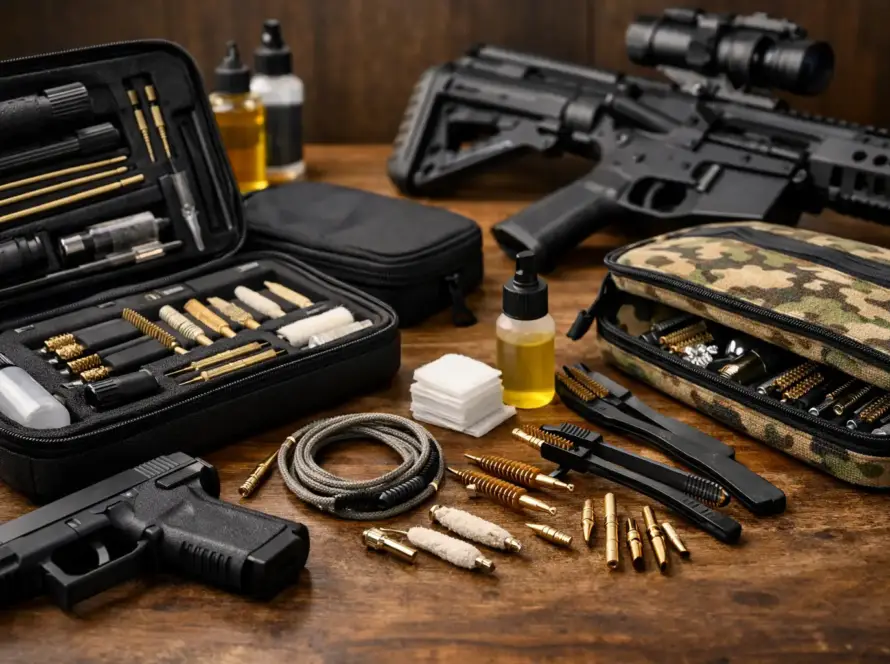
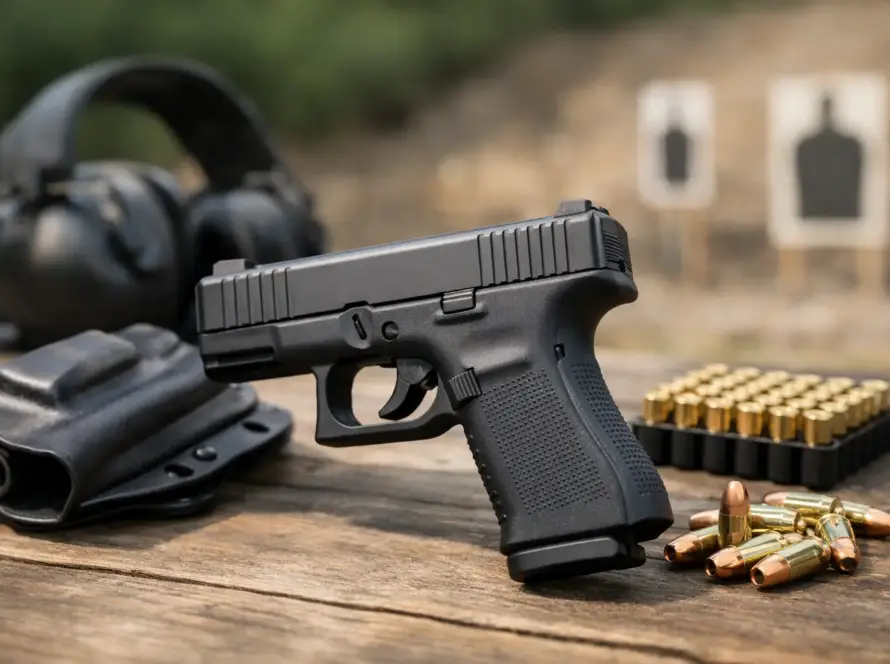
A 9mm handgun is only as dependable as the ammunition it feeds, fires, and cycles consistently. For most shooters, 9mm ammo is the practical choice because it is widely available, manageable to shoot, and supported by an enormous range of compact pistols, full-size duty guns, and pistol-caliber carbines.
That broad selection is also where decisions get harder. A 115-grain full metal jacket range load, a 124-grain defensive hollow point, and a 147-grain subsonic option may all carry the same 9x19mm marking, but they are built for different jobs. Matching the load to the role of the firearm saves money at the range and removes uncertainty when reliability matters.
Start With the Marking on the Box
The common U.S. names – 9mm Luger, 9mm Parabellum, 9x19mm, and 9mm NATO in appropriate firearms – refer to the same basic cartridge dimensions. Your firearm’s barrel marking and owner’s manual are the final authority. Do not assume every cartridge with “9mm” in its name is interchangeable. Cartridges such as .380 Auto, 9mm Makarov, and 9mm Largo are different rounds.
A standard 9mm pistol is usually rated for commercial 9mm Luger ammunition. Some pistols are also rated for +P ammunition, which operates at higher pressure and can produce more recoil and wear over time. If the manufacturer does not specifically approve +P, stay with standard-pressure loads. +P+ ammunition does not follow the same standardized pressure specification and should not be used unless the firearm maker explicitly approves it.
9mm Ammo for Range Training
For frequent range use, full metal jacket ammunition is the standard choice. FMJ bullets generally use a lead core enclosed by a harder metal jacket, helping them feed smoothly and reducing exposed lead on the bullet surface. They are designed for practice, drills, qualification, and recreational shooting rather than personal defense.
The best range ammunition is not necessarily the cheapest box on the shelf. It should run reliably in your specific pistol, produce consistent recoil, and be available in enough quantity to support regular practice. A load that causes repeated failures to feed, weak ejection, or inconsistent lockback is not a bargain, even at a lower price per round.
Common range weights include 115, 124, and 147 grains. Grain is a unit of bullet weight, not a measure of powder charge or cartridge power. A lighter 115-grain load often feels quick and snappy. A 124-grain load is a popular middle ground and commonly approximates the feel of many defensive loads. A 147-grain load is typically slower and may have a softer, more rolling recoil impulse in some handguns.
There is no universal best weight. Shoot enough of each type to determine what your firearm cycles well and what you can control consistently. If your carry ammunition uses a 124-grain bullet, practicing with 124-grain FMJ can make recoil and point-of-impact differences less noticeable. It is a useful approach, but it is not mandatory if budget or availability points you toward another dependable training load.
Defensive Loads: Reliability Before Labels
For lawful concealed carry or home-defense use, jacketed hollow point ammunition is the common choice. JHP designs are intended to expand in soft tissue and reduce the chance of excessive penetration compared with typical FMJ loads. Performance can vary based on barrel length, velocity, barriers, and bullet construction, so brand reputation alone does not replace testing.
A defensive load should be proven in the firearm you plan to use. Run a meaningful quantity through the pistol, including the magazines you intend to carry. Confirm that the ammunition chambers, fires, extracts, ejects, and locks the slide open reliably. This matters even with respected duty-grade ammunition because magazines, recoil springs, feed ramps, and individual guns can produce different results.
Avoid mixing random loose rounds, unknown reloads, or damaged cartridges into your defensive magazines. Factory ammunition from established manufacturers gives you consistent specifications and lot identification. Inspect cartridges as you load them. Set aside rounds with deeply seated bullets, cracked cases, corrosion, or damaged primers.
Short-barreled carry pistols add another variable. Ammunition loses velocity in shorter barrels, and some bullet designs perform better than others at reduced velocities. Choose ammunition designed or documented for compact handguns when possible, then verify its function in your own setup. A load that performs well in a full-size service pistol may not produce identical results from a micro-compact.
Bullet Weight, Recoil, and Point of Impact
Bullet weight affects how a 9mm load feels, but it is only one part of the equation. Powder charge, velocity, firearm weight, grip design, recoil spring setup, and shooter technique all influence perceived recoil. A heavier bullet does not automatically mean harsher recoil, and a lighter bullet does not always mean easier shooting.
Point of impact can change between loads as well. Many pistols will place 115-grain and 147-grain ammunition slightly differently on target, particularly at longer distances. For defensive use, confirm where your selected load prints at realistic distances. You do not need match-grade groups, but your sights and ammunition should work together predictably.
Suppressed shooters may prefer 147-grain ammunition because many loads in that weight range are subsonic from handgun-length barrels. Subsonic does not mean silent, and it does not guarantee compatibility with every suppressor host. It simply means the bullet may remain below the speed of sound under certain conditions. Check the ammunition specifications and firearm setup before making assumptions.
Factory New, Remanufactured, and Reloaded Ammunition
Factory-new ammunition is the straightforward option for most gun owners. It offers consistent production standards, manufacturer packaging, and clear lot information. It is especially appropriate for carry, defensive use, and shooters who want the fewest variables in their ammunition supply.
Remanufactured ammunition can be useful for high-volume practice when it comes from a reputable producer, but it involves previously fired cases that have been processed and reloaded. Quality varies by manufacturer. Inspect it carefully, and pay attention to how it performs in your firearm before buying large quantities.
Handloaded ammunition has a place for experienced reloaders who understand the process, use proper equipment, and follow published data. It is not the right choice for every shooter or every role. For personal protection, many owners prefer factory defensive ammunition to reduce uncertainty and maintain clear manufacturer specifications.
Buy by Use Case, Not by Hype
A sensible 9mm ammunition supply separates training rounds from defensive rounds. Keep enough FMJ ammunition on hand to practice the fundamentals: safe gun handling, sight alignment, trigger control, reloads, and malfunction response under qualified instruction. Keep defensive magazines loaded with tested JHP ammunition that is appropriate for your firearm and lawful intended use.
Buying in bulk can reduce the cost per round for shooters who train regularly, but only after you have confirmed a load works in your gun. Start with a smaller quantity when trying a new manufacturer, bullet weight, or load type. Once reliability is established, buying a case makes more sense than filling your storage shelf with ammunition your pistol does not like.
Store ammunition in a cool, dry location away from direct heat, moisture, and unauthorized access. Keep it in original boxes or clearly labeled containers so you can identify caliber, bullet type, weight, and lot number. Never leave loose cartridges where children or unauthorized persons can access them, and follow all applicable federal, state, and local laws governing purchase, possession, transport, and use.
Keep Your Setup Simple
The strongest 9mm setup is usually not the most complicated one. Choose dependable practice ammunition, test a quality defensive load in the firearm you actually carry or stage for protection, maintain the pistol and magazines, and train with consistency. A clearly labeled supply of proven ammunition gives you more confidence than a pile of mismatched boxes ever will.