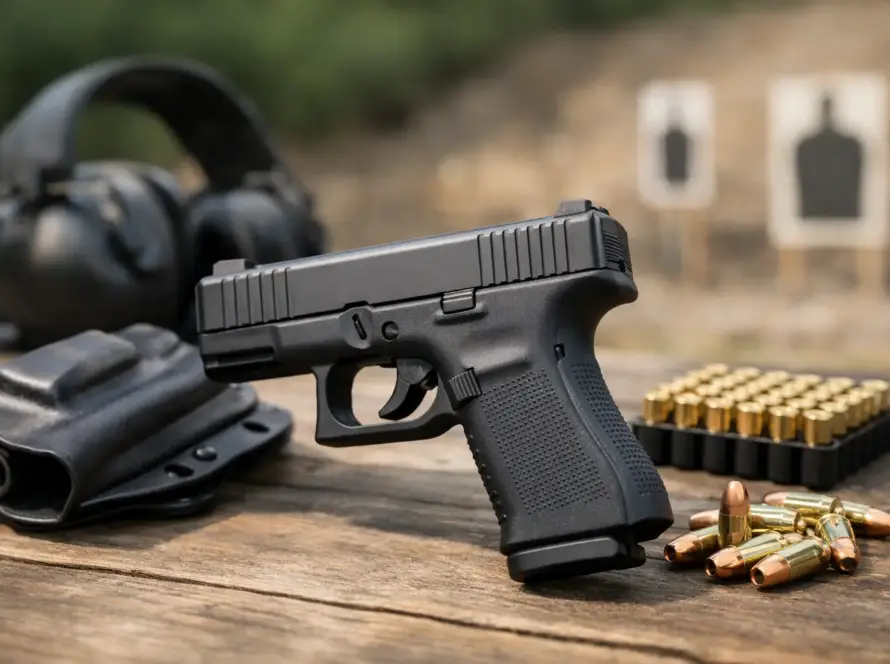
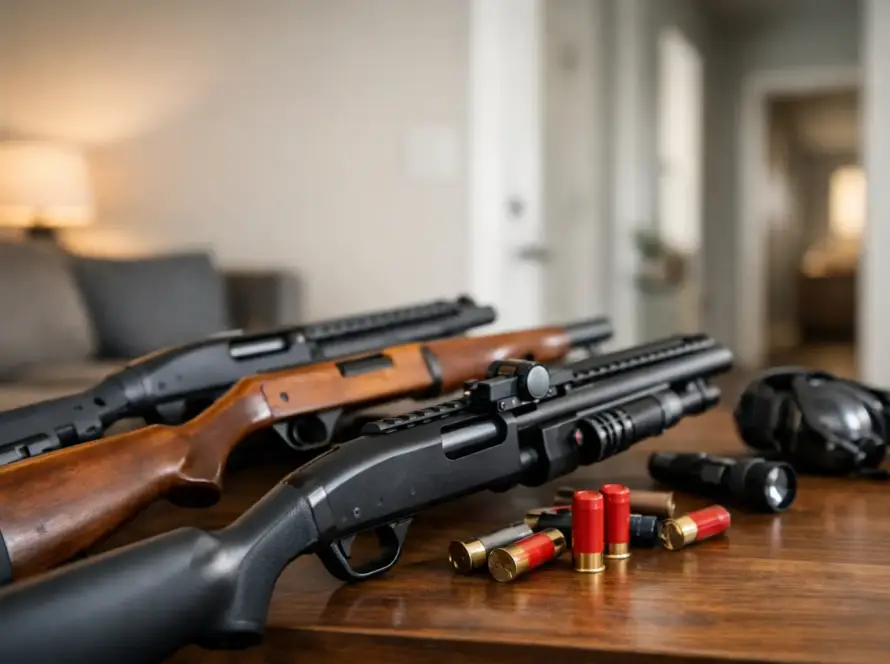
Florida firearms purchases should begin with a clear purpose, not an impulse at the counter. Whether you are selecting a first handgun, a hunting rifle, a range-ready pistol, or a secure storage solution, the right choice depends on lawful use, fit, training, maintenance, and the equipment you will need after the purchase.
A low price can be valuable, but a firearm that does not fit your intended role or cannot be stored responsibly is not a practical buy. Start with the basics, confirm the applicable rules, and build a setup that supports safe ownership from day one.
Know the Rules for Florida Firearms
Florida law and federal law both affect firearm purchases, possession, and carry. Licensed dealers complete required federal transfer procedures, including the federal firearms transaction record and background check process. Buyers must provide valid identification and meet the applicable age, residency, and legal eligibility requirements.
Florida also has rules that may affect the timing of a retail firearm purchase. Waiting-period requirements can vary based on the firearm, the buyer’s status, and local county ordinances. Certain exemptions may apply, but they should never be assumed. A dealer can explain the requirements that apply to a specific transaction, while official state and local sources remain the right place to confirm current law.
Florida allows eligible adults to carry concealed firearms without a state-issued concealed weapon license in many circumstances. That does not mean every location or every person is covered. Federal restrictions, prohibited places, private-property policies, school and government rules, and individual eligibility still matter. A concealed weapon license can also serve practical purposes for eligible residents, including reciprocity considerations when traveling to states that recognize it.
Open carry rules, transportation rules, and location-specific restrictions can change through legislation and court decisions. Treat legal information as a starting point, not personal legal advice. Before carrying or transporting a firearm, verify the current requirements for your route, destination, and circumstances.
Choose a Firearm for the Job
The most useful question is straightforward: what will this firearm be used for most often? A range firearm, home-defense firearm, hunting firearm, and concealed-carry firearm can overlap, but they do not always call for the same size, caliber, capacity, optic, holster, or storage plan.
Range Use and Training
For regular range use, prioritize shootability. A firearm with manageable recoil, controls you can operate confidently, and magazines that are readily available usually makes training more productive. New shooters often benefit from renting several models at a local range before buying. Grip shape, trigger reach, sight visibility, and overall weight are personal factors that cannot be judged from a product photo alone.
A full-size or compact handgun may be easier to control than a very small model, especially during extended practice. The trade-off is size and weight. For a rifle or shotgun, consider the range where you will train, the intended discipline, ammunition availability, and the accessories needed to use the platform effectively.
Home Defense
A home-defense selection should be paired with a realistic storage plan. Quick access and unauthorized access are not the same thing. A lockable quick-access safe, a properly mounted cabinet, or another secure storage product can help keep the firearm available to its authorized owner while preventing access by children, guests, or intruders.
Do not treat a firearm as the entire plan. Reliable lighting, a safe-room plan, communication, and professional training all deserve attention. Select dependable magazines, appropriate sights or optics, and a storage solution that works in the actual room where the firearm will be kept.
Hunting and Outdoor Use
Hunters should match the platform and chambering to the game, terrain, expected shot distance, and applicable hunting regulations. A lightweight rifle can be easier to carry through thick cover, while a heavier setup may offer a steadier shooting experience. Optics must be selected for the conditions, not just magnification on the box.
Weather resistance matters in Florida. Humidity, rain, sweat, and salt air can accelerate corrosion. Protective finishes, quality cases, dry storage, and routine cleaning are practical equipment decisions, not extras.
Build the Rest of the Setup
A firearm alone is rarely a complete purchase. The supporting gear determines whether it can be stored, transported, practiced with, and maintained responsibly. Buy the essentials with the same care used to select the firearm.
For handguns, start with eye and ear protection, a lockable case or safe, cleaning supplies, quality magazines, and ammunition appropriate for training. If lawful concealed carry is part of the intended use, add a purpose-built holster that fully covers the trigger guard and holds the firearm securely. Avoid loose-pocket carry or improvised holsters.
For rifles and shotguns, consider a secure case, sling suited to the firearm and activity, cleaning equipment, hearing and eye protection, and appropriate optic mounts if using an optic. Verify compatibility before ordering accessories. Rail systems, mounting footprints, magazine patterns, caliber, barrel threading, and holster fit are product-specific details that prevent expensive returns.
When evaluating ammunition, buy the correct caliber marked for the firearm and use reputable products. Range ammunition and defensive ammunition may serve different purposes. For practice, consistent, available ammunition supports regular training. For defensive use, follow the firearm manufacturer’s guidance, test reliability safely at the range, and store ammunition securely.
Secure Storage Is Part of Ownership
Florida homes often include children, visiting relatives, service workers, roommates, or guests. Secure storage is the responsible default, even when no children live in the home. The best option depends on how many firearms you own, where they are stored, how quickly authorized access is needed, and whether the location allows anchoring a safe or cabinet.
A bedside quick-access safe may suit one defensive handgun. A larger steel safe can protect multiple firearms, ammunition, documents, and accessories. Locking cabinets and cable locks can add security for different circumstances, but they are not interchangeable with a true burglary-rated safe. Choose based on the risk you are managing.
Humidity control deserves special attention in Florida. Keep firearms clean and dry before storage, inspect them regularly, and consider a dehumidifier or desiccant system sized for the safe. Avoid storing firearms long-term in foam-lined cases, especially in humid conditions, because foam can retain moisture against metal surfaces.
Keep keys, combinations, and access credentials controlled. Secure storage only works when unauthorized people cannot bypass it.
Train Before You Carry
A purchase creates responsibility, not proficiency. Professional instruction gives new owners a safer starting point and gives experienced owners a way to identify habits that need correction. Look for training that covers safe handling, loading and unloading procedures, malfunction awareness, legal responsibilities, safe decision-making, and live-fire fundamentals.
Regular range sessions do not need to be complicated. Focus on safe gun handling, accuracy at realistic distances, controlled trigger operation, sight use, and familiarity with your specific firearm. If you change ammunition, add an optic, replace a holster, or install a new component, test the setup at the range before relying on it.
Do not overlook maintenance. After range use, inspect the firearm, remove fouling as recommended by the manufacturer, lubricate the specified points, and check magazines, fasteners, optic mounts, and lights. A simple maintenance routine helps preserve reliability and catches wear before it becomes a problem.
Buy With a Complete Plan
The strongest Florida firearms purchase is one that fits the owner, the intended use, and the legal and storage requirements around it. Compare specifications, confirm compatibility, and budget for the safe, holster or case, protective equipment, ammunition, and training before checkout.
The right firearm is not just the one that is available today. It is the one you can operate safely, secure properly, maintain consistently, and train with often.