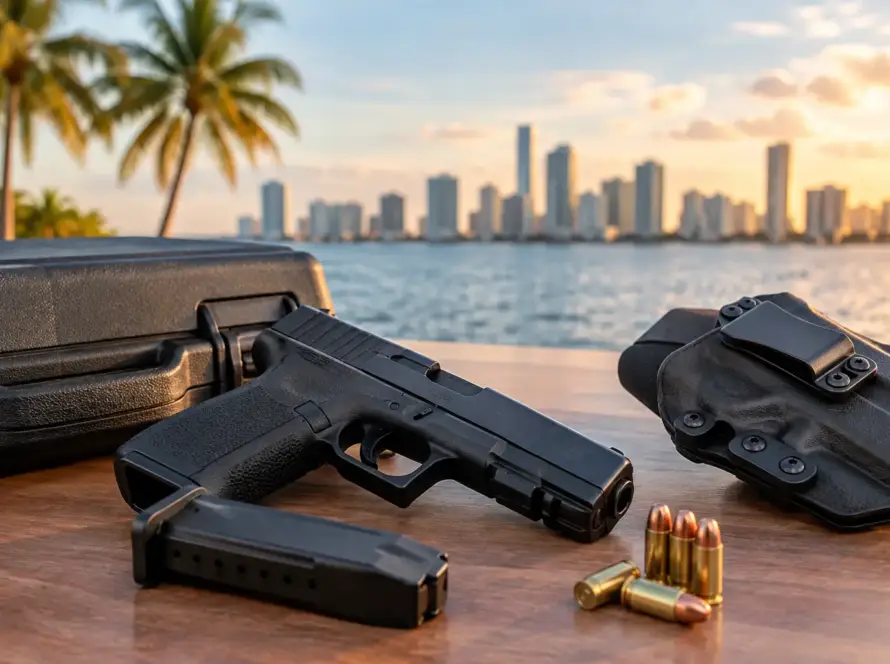
A box of common range ammunition on the shelf does not always tell the full story. Ammunition availability trends are shaped by more than local inventory: manufacturing capacity, component supply, seasonal demand, transportation costs, military contracts, regulation, and sudden shifts in consumer buying all affect what is available and what it costs. For shooters, hunters, and firearm owners, the practical goal is not to predict every shortage. It is to buy deliberately, maintain a sensible supply for lawful use, and avoid making rushed decisions when demand changes.
What Is Driving Ammunition Availability Trends?
The U.S. ammunition market is more stable than it was during the sharp demand swings of recent years, but stability does not mean every caliber, load, or brand will be equally easy to find. High-volume cartridges generally return to shelves first because manufacturers can run them efficiently and retailers turn them over quickly. Specialty loads, uncommon hunting cartridges, premium defensive ammunition, and match-grade products may remain more variable.
Production is only one part of the equation. Ammunition requires brass, lead, copper, powder, primers, packaging, labor, and freight. A disruption in one input can affect finished inventory well after the original issue appears. Primers deserve particular attention because they are a required component for centerfire ammunition and reloaders also depend on them. When primer supply tightens, manufacturers may prioritize loaded ammunition, leaving component availability less consistent.
Demand is equally influential. Election cycles, proposed legislation, international conflict, hunting seasons, and widely shared news stories can push buyers toward familiar calibers almost overnight. Retailers may have product in transit or on order, but that does little for a customer looking for a specific load that week. Short-term scarcity can therefore reflect a demand spike rather than a long-term production problem.
Common Calibers Usually Recover First
For most range users, 9mm, .223 Remington and 5.56 NATO, .22 LR, .40 S&W, and .45 ACP tend to have the broadest selection. Their popularity supports consistent manufacturing runs, multiple brands, and greater retailer demand. That does not guarantee a preferred bullet weight or case type will always be available, but it gives buyers more substitutes when a particular product sells through.
Rifle shooters should pay closer attention to cartridge specifications. .223 Remington and 5.56 NATO are not interchangeable in every firearm simply because the cartridges look similar. The firearm manufacturer’s markings and guidance should determine what ammunition is appropriate. The same principle applies to hunting and precision cartridges, where bullet construction, grain weight, and intended use can matter as much as the chambering stamped on the barrel.
More specialized cartridges often experience the greatest swings. A hunter who waits until the week before a trip to replace a preferred hunting load may find limited choices, even in an otherwise well-stocked market. The smart move is to confirm the load a firearm performs well with during the off-season, purchase a reasonable amount when it is available, and keep that ammunition properly stored.
Price Is Not the Same as Availability
A common mistake is assuming that higher prices mean ammunition is unavailable. In many cases, product is available, but the price reflects wholesale cost increases, freight, manufacturer pricing, or lower promotional activity. Conversely, an attractive price can disappear quickly when a retailer receives a limited shipment of a popular product.
For value-minded buyers, cost per round is useful, but it should not be the only comparison. Consider the intended purpose, reliability history, case material, bullet type, shipping or local pickup costs where applicable, and whether the load works reliably in your firearm. The least expensive option is not automatically the best choice for training, hunting, or personal protection.
Practice ammunition and defensive ammunition should also be evaluated differently. Training loads should be dependable, affordable enough to support regular range time, and appropriate for the range’s rules. Defensive ammunition should be selected based on lawful intended use, firearm compatibility, reliable function, and performance from a reputable manufacturer. It is reasonable to keep enough of each for planned use, but panic buying rarely produces a better outcome.
Seasonal Demand Still Matters
Seasonality creates predictable pressure in several categories. Hunting ammunition demand often rises before deer, waterfowl, turkey, and other state-regulated seasons. Target ammunition may see increased demand during warmer months, organized shooting events, and periods when new firearm ownership rises. Holiday sales can also move a large amount of inventory quickly, especially in common handgun and rifle calibers.
Florida shooters may see a different rhythm than customers in states with a traditional fall hunting focus, but seasonal effects still apply. Range activity, travel, training schedules, and national buying patterns all influence local selection. If a specific load is central to an upcoming class, match, or hunt, buying early is more practical than relying on last-minute availability.
Signals Worth Watching Before You Buy
Rather than reacting to rumors, watch a few concrete signals:
- Consistent out-of-stock notices across several common brands and retailers, not just one store.
- Reduced selection in bullet weights or load types while standard practice loads remain available.
- Repeated manufacturer price adjustments or widespread increases in per-round pricing.
- A sudden surge in demand tied to a known seasonal event, news cycle, or policy discussion.
One signal alone does not prove a shortage. Several moving together can indicate that it is time to review your planned needs and purchase on a normal schedule rather than waiting.
Build a Practical Purchase Plan
A responsible ammunition plan starts with purpose. List the calibers you actually use, the firearm each load is intended for, and the amount you typically shoot in a month or season. A new range shooter may only need enough 9mm or .22 LR for a few planned sessions. A regular competitor, hunter, or firearms instructor may need a more structured inventory because their usage is more predictable.
Avoid buying unfamiliar ammunition solely because it is the only product left. Check the caliber, cartridge designation, bullet type, and manufacturer information before purchase. Inspect ammunition before use and do not use cartridges that are visibly damaged, heavily corroded, improperly identified, or otherwise questionable. If a firearm malfunctions or you suspect an ammunition issue, stop shooting and follow safe handling procedures.
Consistency has value. Buying the same dependable practice load when possible makes it easier to understand point of impact, recoil, and reliability in your firearm. For hunting or defensive use, test a reasonable quantity at the range before relying on a load. That testing should be done safely, with appropriate eye and ear protection, and in compliance with range rules and applicable laws.
Storage Protects Your Investment
Availability matters less if ammunition is damaged after purchase. Store ammunition in a cool, dry place away from direct sunlight, excessive heat, open flames, and moisture. Keep it in its original labeled packaging when possible, so caliber, lot information, and manufacturer details remain clear. A secure cabinet or locked storage solution can help prevent unauthorized access, particularly in homes with children or visitors.
Do not store ammunition loosely with unknown cartridges or mix cartridges from different boxes without clear labeling. Organization reduces the risk of loading the wrong ammunition and makes it easier to rotate older stock into regular range use. Follow all applicable federal, state, and local laws, along with any building, lease, or insurance requirements that may apply to storage.
Availability Will Remain Uneven
The most useful takeaway from current ammunition availability trends is that broad market improvement does not eliminate product-specific shortages. A shelf may be full of common FMJ range ammunition while a preferred premium hollow point, slug load, or hunting cartridge is temporarily hard to locate. Flexibility helps, but safety and compatibility should remain non-negotiable.
Buy for the shooting you have planned, keep your ammunition clearly identified and securely stored, and allow extra time for specialty loads. That approach supports better training, fewer last-minute compromises, and more confident decisions whenever the market shifts.