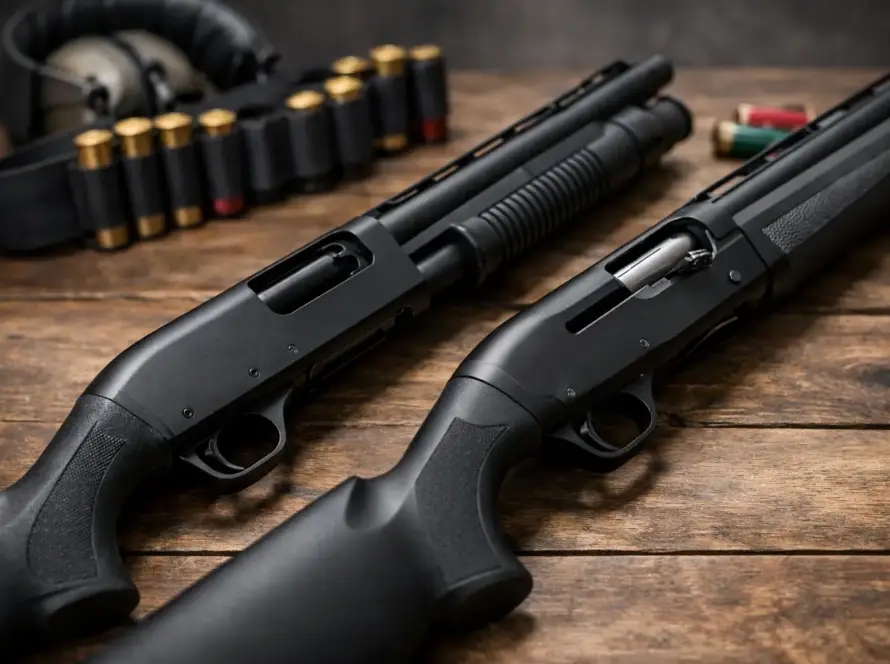
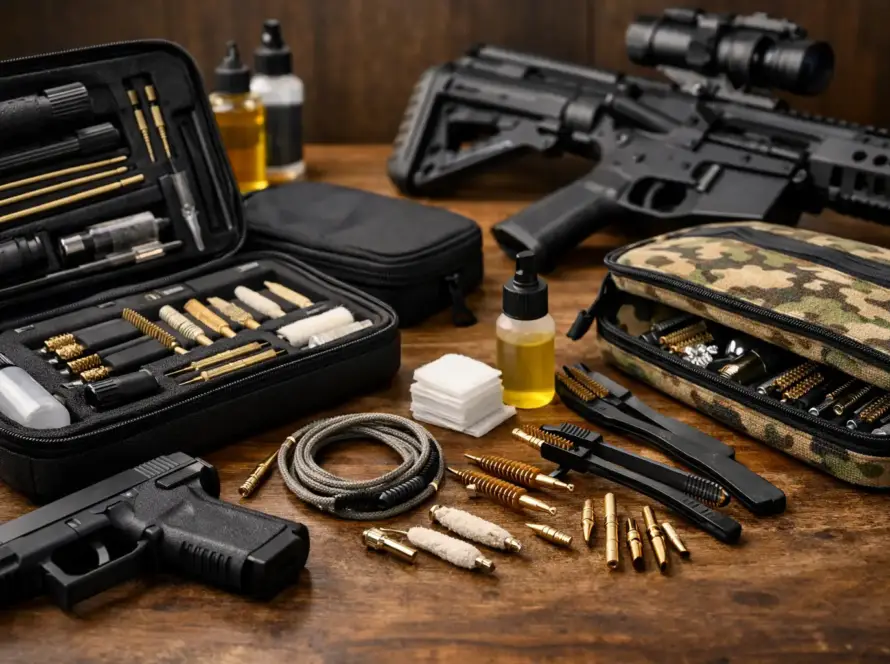
The box of ammunition beside a home-defense firearm is not a set-it-and-forget-it purchase. Home defense ammunition must be compatible with the firearm, dependable in that specific setup, manageable for the person who may need to use it, and stored securely until it is needed. The right choice is less about marketing claims and more about safe handling, verified reliability, and responsible preparation.
For new and experienced owners alike, the process starts with a clear standard: select lawful, factory-manufactured ammunition intended for defensive use, then confirm that it functions properly through practical range training. A cartridge that looks good on a shelf but does not feed, fire, and cycle consistently in your firearm is not the right choice.
What Home Defense Ammunition Needs to Do
Defensive ammunition has a different job than inexpensive range ammunition, hunting loads, or specialty novelty products. Its primary value is dependable function in a stressful situation. That means consistent ignition, reliable feeding, predictable cycling, and manageable recoil from a firearm that has been maintained correctly.
Ammunition selection also needs to account for the home itself. Walls, doors, furniture, nearby rooms, family members, and neighbors all matter. No firearm or ammunition choice removes the responsibility to identify a threat and know what is beyond it. Safe firearm handling and sound judgment remain more important than any label on a box.
Most responsible owners keep a supply of lower-cost practice ammunition for regular range work and a separate supply of quality defensive ammunition for their home-defense firearm. Practicing with ammunition that produces a similar level of recoil and handling can help make training more useful, but it does not replace confirming that the defensive load itself functions reliably.
Start With the Correct Caliber and Gauge
The cartridge or shotshell must match the exact chamber marking on the firearm. This is non-negotiable. Check the firearm’s barrel, slide, receiver, or manufacturer documentation, and read every ammunition box before loading. Similar-looking cartridges are not automatically interchangeable.
Do not assume that a cartridge with a similar name, a different pressure rating, or a slightly different case length is safe to use. If there is any uncertainty, stop and consult the firearm manufacturer’s manual or a qualified gunsmith. Using the wrong ammunition can cause malfunctions, firearm damage, and serious injury.
For shotguns, gauge and shell length both matter. For handguns and rifles, owners should verify the precise cartridge designation and follow the manufacturer’s instructions regarding ammunition types that are approved or prohibited. This simple check should happen every time ammunition is purchased, loaded, or moved between storage containers.
Factory Ammunition Is the Practical Standard
For a firearm kept for protection, commercially manufactured ammunition from established brands is generally the most practical option. Factory ammunition is produced to published specifications and comes in clearly marked packaging with lot information. That labeling is useful if a manufacturer issues a notice or if you need to track what performed well in your firearm.
Handloads and reloaded ammunition can have a place for experienced shooters in controlled range settings, but they add variables that are unnecessary for a dedicated defensive firearm. Consistency and traceability should take priority over experimentation.
Avoid damaged, corroded, wet, heavily discolored, or questionable ammunition. A cartridge that has been carried loose, exposed to oils or solvents, or repeatedly chambered may deserve closer inspection. When in doubt, remove it from defensive use and follow local rules for safe disposal.
Reliability Is the Feature That Matters Most
A defensive load should function with your actual firearm, magazines, and accessories. A reliable firearm can still experience a problem if a particular ammunition load does not feed well with its magazine geometry or operating system. This is why testing is essential.
At the range, use normal loading procedures and test the magazines or feeding devices you intend to keep with the firearm. Watch for failures to feed, fire, extract, or eject. Pay attention to whether the slide locks back when appropriate, whether the firearm cycles consistently, and whether you can maintain safe, controlled handling.
There is no universal round count that guarantees perfection. The goal is to build reasonable confidence through deliberate testing, not to fire a few rounds and assume the work is finished. If a load produces repeated malfunctions, do not keep it in service simply because it was expensive or highly rated.
Magazine condition matters as much as ammunition condition for many semi-automatic firearms. Marking magazines for identification can help isolate a recurring issue. Replace damaged magazines, worn components, and questionable parts before relying on the firearm for home defense.
Recoil, Control, and Practical Accuracy
The best ammunition on paper is not necessarily the best choice for every owner. Recoil level, muzzle blast, firearm size, grip design, and the shooter’s experience all affect how well a person can operate the firearm safely. A load that causes flinching, slow recovery, or poor control may not be the right fit.
Practical accuracy is the ability to place shots safely and deliberately under realistic range conditions, not just produce a tight group from a bench. Train at distances permitted by your range, use safe target discipline, and work within your current skill level. A qualified instructor can help identify problems with grip, stance, trigger control, or firearm setup without turning ammunition selection into guesswork.
For households with more than one authorized adult, each person should train with the specific firearm and ammunition plan. Do not assume that one person’s preferred setup will work equally well for everyone else. Responsible preparation includes honest assessment of who can safely access and use the firearm.
Read Labels and Understand Product Categories
Ammunition packaging contains useful information beyond caliber or gauge. Review the manufacturer, product line, projectile or load type, grain weight where applicable, quantity, and any warnings. Keep defensive ammunition in its original packaging whenever possible. Original boxes reduce mix-ups and make it easier to confirm specifications later.
Purpose-designed defensive loads are typically identified as such by the manufacturer. That category may be appropriate for owners who have confirmed compatibility and followed all applicable laws. Still, a product label should not be treated as a substitute for training, safe storage, or a household emergency plan.
Be cautious with products marketed through extreme language, gimmicks, or vague performance promises. Clear specifications, reputable manufacturing, and a record of dependable use are more meaningful than dramatic packaging. Quality control is a practical reason to buy ammunition from established sources and avoid loose, unmarked, or questionable products.
Storage Is Part of the Ammunition Decision
Ammunition should be stored in a cool, dry location away from moisture, direct heat, solvents, and unauthorized access. Secure storage protects children, visitors, and anyone who should not have access to ammunition or firearms. It also protects your investment from environmental damage.
A firearm and ammunition may be stored according to a household’s legal and practical needs, but access must be controlled. Consider who lives in the home, who visits, and how quickly an authorized adult can safely retrieve the firearm if necessary. Secure firearm storage solutions should be selected as carefully as the firearm and ammunition themselves.
Keep ammunition organized by caliber or gauge, clearly labeled, and separated from incompatible cartridges. Avoid dumping different rounds into a shared container. This is a simple habit that prevents loading errors, especially when several firearms are owned.
Check local, state, and federal requirements before purchasing, transporting, or storing ammunition. Florida residents should also be aware that local circumstances, housing arrangements, and travel plans can affect what practical storage looks like. When laws or requirements are unclear, seek qualified legal guidance rather than relying on online comments or secondhand advice.
Build a Maintenance and Rotation Routine
Home-defense preparation benefits from a schedule. Inspect the firearm periodically, clean it according to the manufacturer’s guidance, and check ammunition for visible damage or contamination. If the firearm is routinely loaded and unloaded, avoid repeatedly chambering the same cartridge without inspection.
Rotation does not need to be complicated. Some owners periodically replace the ammunition loaded in a defensive firearm and use the older, still-serviceable rounds during supervised range practice. The exact timing depends on storage conditions, handling, manufacturer guidance, and how often the firearm is loaded or unloaded. The point is to avoid neglect.
Keep a short record of the ammunition type tested, purchase date, lot information if available, and any observed firearm issues. This takes little time and can make future purchases and troubleshooting much easier. Guns & Tactics customers who shop by caliber or gauge can use this record to buy with greater consistency instead of starting from scratch each time.
Training Makes the Selection Useful
A responsible ammunition choice only supports a broader safety plan. Practice safe loading and unloading procedures, learn how to clear common malfunctions with qualified instruction, and understand the legal and personal responsibilities that follow any defensive firearm use. Dry practice can be valuable when performed with a verified unloaded firearm and no live ammunition in the practice area.
Discuss the household plan with authorized adults. Establish secure-storage expectations, identify safe directions, and decide how emergencies will be handled. A firearm is not a replacement for calling emergency services, improving home security, or avoiding a confrontation whenever possible.
Choose ammunition with the same discipline used to choose every other part of a defensive setup: verify compatibility, test for dependable operation, store it securely, and keep training. That approach gives you a practical standard to follow long after the purchase is complete.