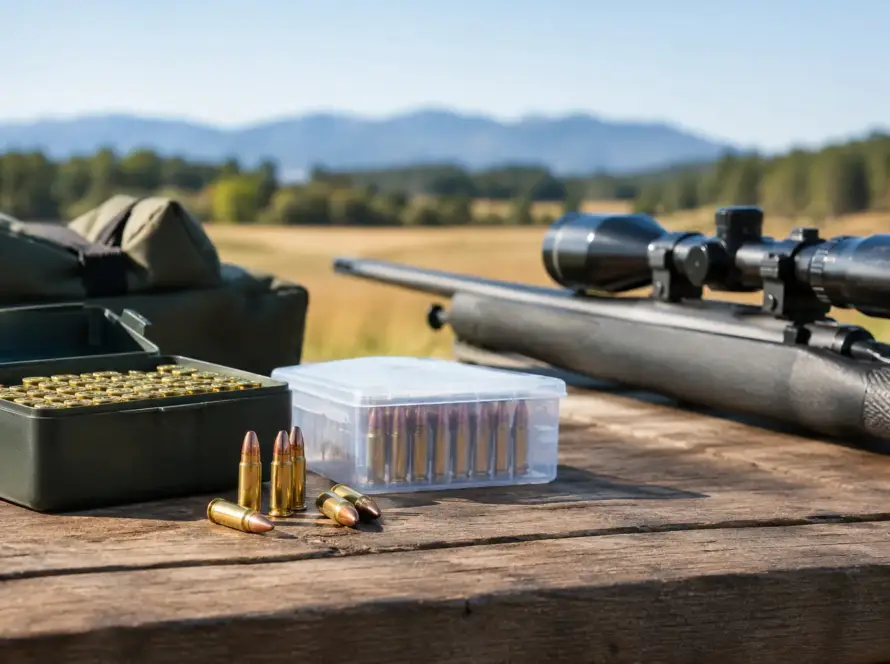
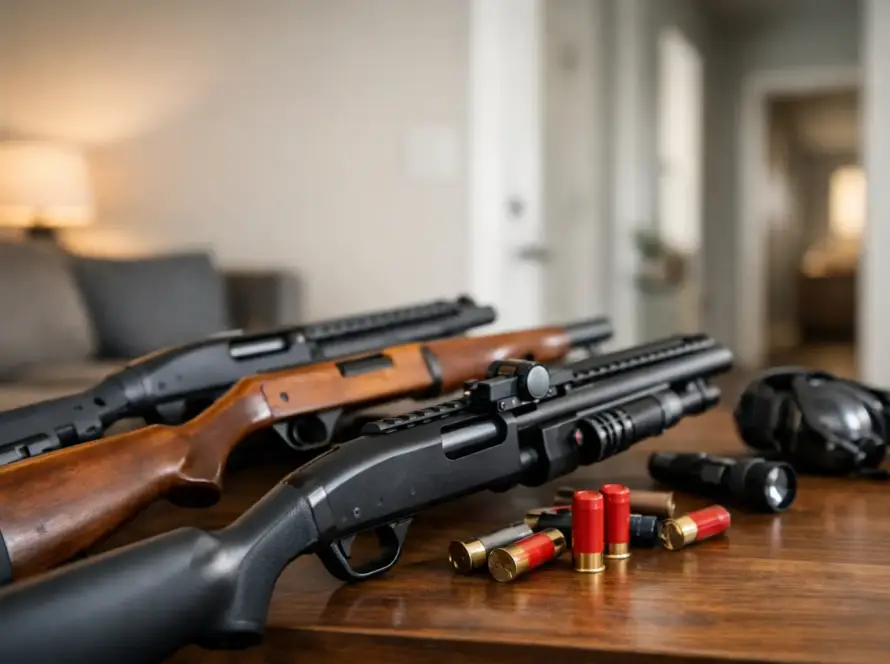
A handgun that looks right on the counter can become the wrong choice after one range session if the caliber produces more recoil than you can control, costs too much to practice with, or does not fit your intended use. Learning how to choose handgun caliber starts with an honest assessment of what you will carry, shoot, store, and train with – not with the biggest number on the box.
Caliber affects recoil, ammunition cost, pistol size, magazine capacity, and the range of platforms available. It matters, but it is only one part of the setup. A manageable handgun you practice with regularly is more useful than a powerful option that stays in the safe.
Start With the Job the Handgun Must Do
Choose the role before choosing the caliber. A compact pistol for daily concealed carry has different requirements than a full-size handgun for home defense, a trail revolver, or a range gun meant for high-volume training.
For concealed carry, overall gun size, carry comfort, recoil in a compact frame, and reliable ammunition availability usually drive the decision. For home defense, a larger handgun may be easier to hold, easier to control, and easier to equip with a light or optic. Range shooters may prioritize low ammunition cost and soft recoil so they can spend more time building skill. Hunters and backcountry users may need a caliber and platform suitable for the game, terrain, and local regulations.
Do not buy around a hypothetical use case. If 90 percent of your shooting will be at an indoor range and you may occasionally carry the pistol, select for the job you will actually do most often.
How to Choose Handgun Caliber: Four Practical Factors
Recoil You Can Control
Recoil is not just about comfort. It affects how well you maintain your grip, manage the trigger, recover the sights, and make consistent hits during a normal training session. The same caliber can feel very different across platforms. A 9mm fired from a full-size steel-frame pistol is generally much easier to manage than a 9mm fired from a micro-compact pistol.
Do not judge recoil by one shot. Fire enough rounds to see whether your hands get sore, whether your groups open up, and whether you begin anticipating the shot. If you are new to handguns, a low-recoil option can make training more productive. You can always move to a larger caliber later if it serves a real purpose.
Ammunition Cost and Availability
A caliber only works for you if you can afford to train with it and can find it when you need it. In the U.S. market, 9mm is commonly available in a broad range of practice and defensive loads, with a wide selection of handgun models built around it. That makes it a practical starting point for many owners.
Cost differences add up quickly. If one caliber costs substantially more per box, you may shoot less often. That means less practice with loading, grip, sight alignment, trigger control, and safe handling. Budget for more than the handgun itself: plan for practice ammunition, quality defensive ammunition where appropriate, magazines, storage, cleaning supplies, and a suitable holster if you intend to carry.
Handgun Size and Capacity
Caliber and platform are tied together. Smaller cartridges can allow slimmer pistols or higher magazine capacities, while larger cartridges may require a larger grip, a heavier slide, or a revolver platform. Those trade-offs are not automatically good or bad.
A thin .380 ACP pistol may be easier to carry discreetly than a larger 9mm. A full-size 9mm may offer a more stable shooting experience than either one. A .45 ACP pistol can be an excellent range or home-defense handgun for shooters who like the platform and can manage it well, but it often comes with a larger grip and lower capacity than comparable 9mm models.
Make sure you can reach the trigger correctly, operate the controls without shifting your grip excessively, and securely retain the handgun during recoil. Caliber should never override fit.
Purpose-Appropriate Performance
For defensive handgun use, reliable firearm function, quality ammunition, shot placement, and training carry more weight than caliber arguments built around raw energy figures. Modern defensive loads are available in several common calibers. The best choice is the one you can operate confidently and fire accurately from your selected handgun.
For hunting or field protection, the calculation changes. You may need a cartridge with greater penetration potential and a platform built for the environment. State hunting rules, game size, barrel length, and ammunition requirements all matter. Check applicable regulations before selecting a hunting handgun or load.
Common Handgun Calibers and Where They Fit
.22 LR
.22 LR is inexpensive, low recoiling, and useful for basic marksmanship, introducing new shooters to safe handgun operation, and extended range practice. It is also available in pistols and revolvers that are easy to handle. It is best viewed as a training and recreational caliber first, though individual circumstances and local laws always matter.
.380 ACP
.380 ACP is common in small, lightweight carry pistols. Its primary advantage is that it can fit into compact platforms that are easy to carry when a larger gun is impractical. The compromise is often sharper felt recoil than expected in very light pistols, reduced capacity compared with similarly sized 9mm options, and typically higher ammunition costs than 9mm.
9mm Luger
For many shooters, 9mm is the practical middle ground. It is available in compact, full-size, and competition-oriented pistols, and it offers manageable recoil for most users with regular training. Ammunition selection is broad, practice ammo is commonly stocked, and magazine capacity is generally strong for the handgun size.
That does not make 9mm mandatory. It makes it a sensible benchmark. If another caliber gives you better fit, control, or a clearer purpose-built advantage, choose accordingly.
.40 S&W and .45 ACP
.40 S&W and .45 ACP remain viable choices for shooters who prefer their recoil characteristics, already own compatible platforms, or want a specific handgun model chambered in those calibers. Both usually produce more recoil than 9mm in comparable pistols. .40 S&W can feel snappy, especially in compact guns, while .45 ACP commonly requires a larger grip and may offer lower magazine capacity.
The deciding question is simple: can you shoot it well enough, often enough, to justify the trade-offs? If the answer is yes, either can be a solid fit.
.38 Special, .357 Magnum, and 10mm Auto
Revolvers chambered in .38 Special and .357 Magnum offer a different operating system than semi-automatic pistols. A .357 Magnum revolver can also fire .38 Special, giving shooters a milder training option in the same firearm. Revolvers are straightforward in some respects, but they still require deliberate practice with loading, reloading, trigger control, and safe storage.
10mm Auto appeals to shooters who want more power for certain outdoor and hunting applications. It can be effective in the right hands and the right platform, but recoil, ammunition cost, and pistol size deserve serious consideration. It is not a default choice for every new handgun owner.
Match the Caliber to Your Training Plan
The best caliber is usually the one that supports consistent training. Before committing, rent or borrow comparable handguns when possible. Shoot at least two calibers in similarly sized platforms. Pay attention to how the gun returns to the sights, how your hand feels after several magazines, and whether you can maintain clean hits without rushing.
Also test the exact pistol style you plan to buy. A compact striker-fired 9mm, a metal-frame hammer-fired 9mm, and a snub-nose .357 revolver all handle differently. Do not assume that a caliber you liked in one handgun will feel the same in another.
Buy ammunition from reputable manufacturers, follow the firearm maker’s guidance, and use only the correct cartridge marked for your handgun. Keep ammunition secured, maintain the firearm according to its manual, and get qualified instruction if you are new to handgun ownership.
Make the Purchase Around the Whole Setup
A handgun is not a standalone purchase. Factor in secure storage, eye and ear protection, spare magazines or speedloaders, cleaning gear, and range time. If the handgun is for carry, account for a quality holster that covers the trigger guard and holds the firearm securely. If it is for home use, consider safe-access storage that fits your household and local requirements.
Guns & Tactics customers who build their purchase around ammunition availability, accessories, and regular practice usually end up with a setup they use more confidently. Pick the caliber that keeps you training, not the caliber that only wins an argument on paper.